Digital Arenas: The Transformation of Entertainment Through Online Gaming

Online slot depo 1000 has grown into a powerful force that continues to reshape entertainment in the modern world. From simple multiplayer experiments to vast digital universes, online gaming has redefined how individuals interact with technology and each other. It has evolved into more than just a form of recreation—it is now a cultural movement, a competitive industry, and a social platform that connects millions globally.
The rise of online gaming reflects rapid technological advancement and shifting consumer behavior. As players seek interactive and immersive experiences, developers continue to push boundaries, creating digital arenas where entertainment, competition, and creativity thrive together.
The Journey from Local Play to Global Competition
In earlier years, gaming was largely confined to single-player experiences or local multiplayer modes. Friends and family gathered around consoles or computers to compete or cooperate. However, the expansion of internet access revolutionized this structure. Players could suddenly connect with opponents and teammates from around the world.
This transformation introduced a new level of excitement. Competing against real individuals created unpredictable gameplay and required adaptive strategies. Each match became unique, shaped by the decisions and skills of human participants rather than programmed responses.
Today, online gaming platforms host massive multiplayer environments where thousands of users can interact simultaneously. These global competitions have expanded the scale and complexity of gaming experiences.
Immersive Worlds and Continuous Evolution
Modern online games are designed as persistent worlds that continue evolving even when players are offline. Developers release regular updates, introduce new challenges, and create seasonal events to maintain engagement.
These evolving environments encourage long-term participation. Players develop characters, build reputations, and influence virtual economies over time. The sense of progression strengthens emotional investment and creates deeper connections with digital worlds.
Live-service models have become a dominant strategy in the gaming industry. Instead of delivering a single finished product, developers maintain ongoing experiences that grow alongside their communities.
The Role of Social Interaction in Gaming
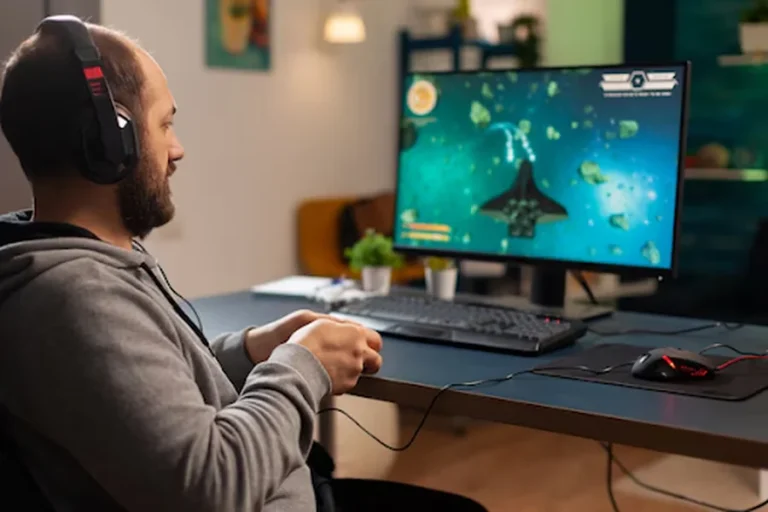
Online gaming has become one of the most significant platforms for digital socialization. Players communicate through voice chat, messaging systems, and interactive features that promote teamwork and cooperation.
Guilds, clans, and alliances provide structured communities within games. Members often share strategies, organize group events, and support each other during challenges. These relationships frequently extend beyond gameplay, forming lasting friendships and collaborative networks.
For many individuals, online gaming communities offer a sense of belonging and shared purpose. The ability to connect with people across geographic boundaries has transformed gaming into a social experience rather than a solitary activity.
The Rise of Competitive Gaming and Esports
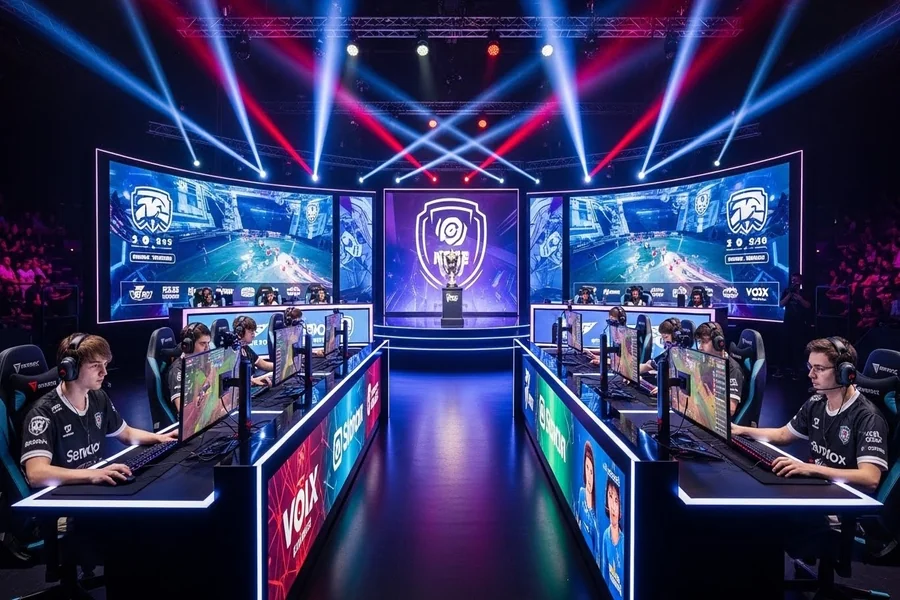
Competitive online gaming has developed into a highly organized global industry. Esports tournaments attract professional players and massive audiences, showcasing advanced strategies and exceptional skill levels.
These competitions often feature significant prize pools and sponsorship opportunities. Professional teams train extensively, analyzing gameplay and refining coordination to achieve peak performance. The structure of esports mirrors traditional sports, with coaching staff, analysts, and dedicated fan bases.
Ranked matchmaking systems also allow everyday players to experience competitive environments. Progressing through skill tiers provides motivation and recognition, encouraging players to improve continuously.
Technological Innovations Driving Growth
Technological progress plays a crucial role in the expansion of online gaming. Faster internet speeds enable smooth multiplayer interactions with minimal latency. High-performance graphics engines create realistic environments that enhance immersion.
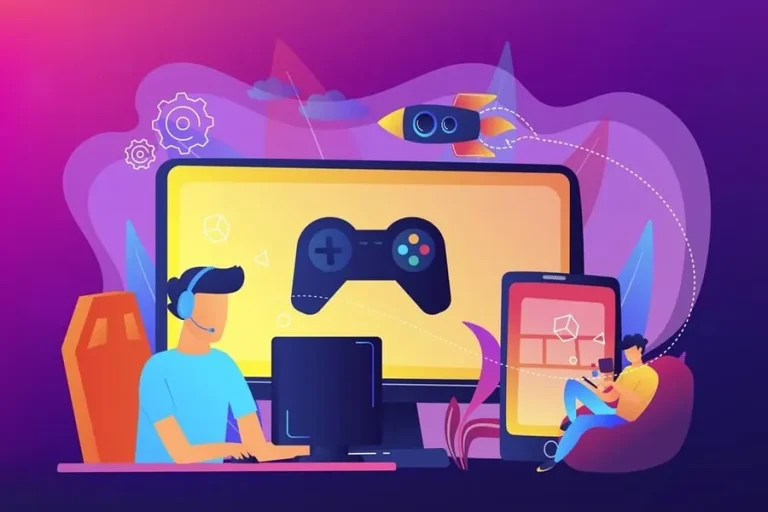
Cloud gaming technology allows users to stream complex games without expensive hardware. This accessibility has expanded participation and reduced technical barriers.
Virtual reality and augmented reality introduce new dimensions of interactivity. These technologies allow players to explore digital environments physically, increasing immersion and engagement.
Artificial intelligence improves matchmaking and game design. By analyzing player behavior, AI systems create balanced matches and adaptive challenges, ensuring dynamic and personalized experiences.
Virtual Economies and Personalization
Online games often feature intricate digital economies where players can trade, purchase, and customize virtual assets. Cosmetic upgrades, character skins, and decorative elements allow players to express individuality.
Limited-edition items and seasonal rewards create demand and excitement within gaming communities. These virtual goods often hold symbolic value, representing achievements and status.
Developers carefully design in-game economies to maintain balance while generating revenue. This financial model supports ongoing content development and platform maintenance.
Skill Development and Cognitive Benefits
Online gaming frequently requires strategic thinking, rapid decision-making, and effective communication. Multiplayer games challenge players to coordinate with teammates, analyze patterns, and adapt to evolving situations.
Participants may develop improved reflexes, stronger problem-solving abilities, and enhanced teamwork skills. Competitive environments encourage focus and resilience, as players learn to overcome challenges and refine strategies.
While online gaming offers cognitive engagement, maintaining balance is essential. Responsible gaming habits ensure that entertainment contributes positively to overall well-being.
Challenges in the Online Gaming Landscape
As the industry continues to grow, addressing challenges becomes increasingly important. Cybersecurity remains a priority, as developers work to protect player data and prevent unauthorized access.
Community behavior is another critical concern. Competitive environments can sometimes lead to negative interactions. Reporting systems, moderation tools, and community guidelines help foster respectful and inclusive spaces.
Encouraging responsible gaming practices is equally vital. Promoting time management and digital wellness helps players maintain healthy relationships with gaming.
Cultural Influence and Mainstream Acceptance
Online slot depo 5k has become deeply embedded in global culture. Major tournaments attract international audiences, and gaming themes appear in music, fashion, and film. The once-niche activity is now widely recognized as a dominant entertainment medium.
Streaming platforms have amplified gaming culture by allowing players to broadcast gameplay and interact with viewers in real time. Content creators shape trends, introduce new titles, and build global fan communities.
Gaming-inspired technologies are also influencing education and business sectors. Interactive simulations and gamification strategies demonstrate how gaming mechanics can enhance learning and training environments.
The Future of Digital Arenas
The future of online gaming promises even greater immersion and connectivity. Emerging technologies suggest the development of expansive virtual environments that combine entertainment, social interaction, and digital commerce.
Advances in artificial intelligence may create adaptive worlds that respond intelligently to player behavior. Improved network infrastructure and hardware capabilities will likely support increasingly realistic simulations.
As these innovations continue, online gaming will remain a leading force in digital entertainment, shaping how people interact with virtual environments.
Conclusion
Online gaming has transformed into a dynamic and influential platform that blends technology, competition, and social interaction. Its immersive worlds, thriving communities, and competitive ecosystems highlight the power of digital connectivity in modern entertainment.
From casual mobile matches to global esports tournaments, online gaming continues to redefine play in the digital age. As technology evolves and communities expand, digital arenas will remain central to entertainment, creativity, and global interaction for years to come.