What Makes Online Games Different from Other Games Today

The gaming industry has evolved dramatically over the past few decades. From simple arcade machines to advanced digital worlds, games have become an essential part of modern entertainment. Among the many types of games available today, online games stand out as one of the most popular and influential forms. Millions of players around the world connect every day to enjoy online gaming experiences. But what makes online games different from other games today? The answer lies in their connectivity, social interaction, accessibility, and constantly evolving nature.
The Rise of Online Gaming
Online gaming has grown rapidly thanks to improvements in internet technology and powerful gaming platforms. In the past, most games were played offline, either alone or with friends in the same room. Today, players can connect with others from different countries instantly. This global connectivity is one of the biggest differences between online games and traditional offline games.
Modern online games allow players to interact with thousands of others in real time. Multiplayer battle games, cooperative missions, and competitive tournaments have transformed gaming into a global community experience. Instead of playing against computer-controlled opponents, gamers now face real players with different strategies and skills.
Real-Time Multiplayer Experience
One of the key features that separates online games from other games is the real-time multiplayer experience. In offline games, players usually compete against artificial intelligence or play with a limited number of people locally. Online games, however, connect players across the internet, allowing them to compete or cooperate instantly.
This feature makes gameplay more dynamic and unpredictable. Each match can feel unique because human players bring different play styles and decision-making abilities. This constant variation keeps the gaming experience exciting and engaging.
Multiplayer gameplay also encourages teamwork and communication. Many online games require players to work together to achieve objectives, defeat enemies, or win matches. Voice chat, messaging systems, and team strategies have become an important part of modern gaming culture.
Social Interaction and Community Building
Another major difference is the strong social element of online games. Gaming is no longer just a solo activity. Many online games include social features such as chat systems, friend lists, guilds, and communities.
Players can form teams, join clans, or participate in online tournaments. These communities often extend beyond the game itself, with players interacting on forums, streaming platforms, and social media.
This sense of community creates long-term engagement. Players return not only for the gameplay but also to connect with friends and teammates. Online gaming has even created professional esports communities and careers for skilled players.
Continuous Updates and Live Content
Traditional offline games usually remain the same after release, but online games are constantly evolving. Developers frequently release updates, patches, new maps, characters, and seasonal events.
These updates keep the game fresh and prevent it from becoming repetitive. Players always have something new to explore, whether it’s a new challenge, storyline, or gameplay feature.
Live events are another exciting aspect of online gaming. Some games host limited-time events, competitions, or special missions that encourage players to log in regularly. This live-service model keeps the gaming community active and engaged.
Accessibility and Cross-Platform Play
Online games are also different because they are widely accessible. Today, players can enjoy online gaming on multiple platforms, including PCs, gaming consoles, and smartphones.
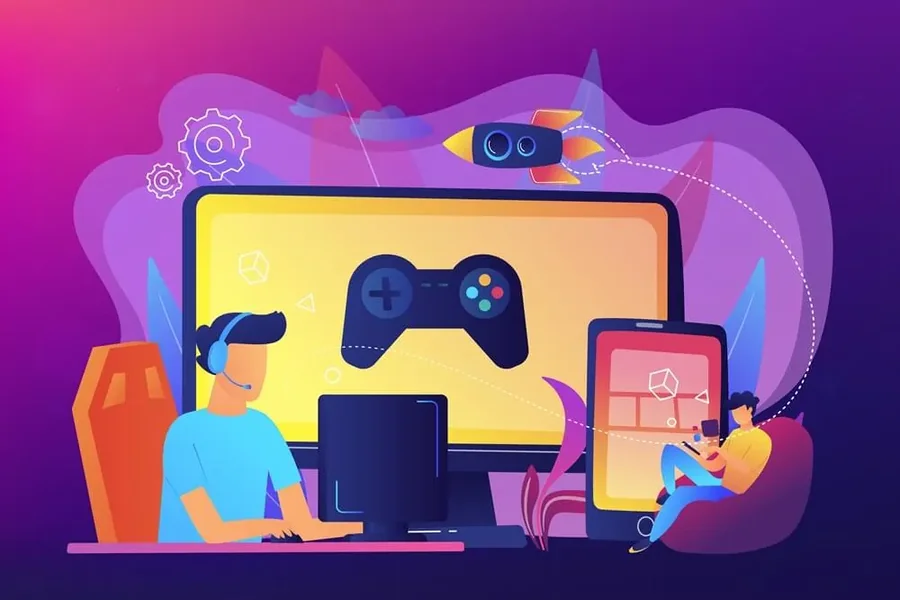
Cross-platform gaming has become increasingly common. This means players using different devices can still compete or cooperate in the same game. For example, someone playing on a computer may join a match with players using mobile phones or consoles.
This accessibility has made gaming more inclusive and global. Anyone with an internet connection can join an online game, regardless of location or device.
Competitive Gaming and Esports
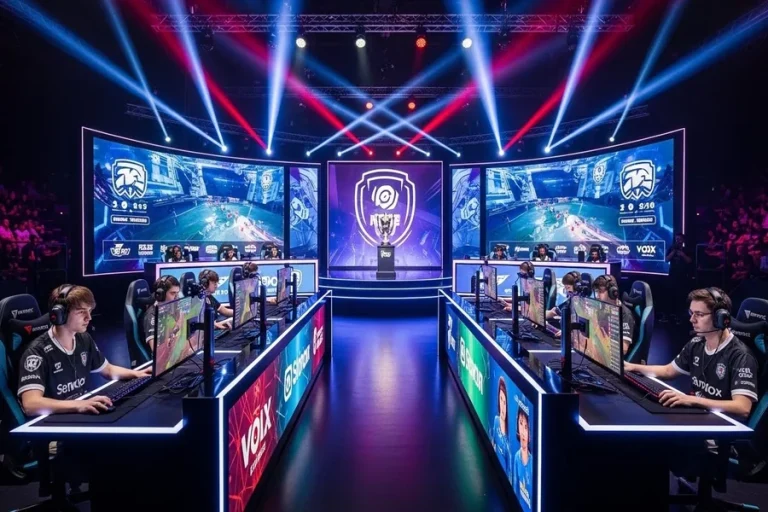
Online games have also given rise to competitive gaming, widely known as esports. Unlike traditional single-player games, many online games are designed with competition in mind.
Professional tournaments now attract millions of viewers worldwide. Players train for hours to improve their skills and compete for large prize pools. Some esports athletes even gain international fame.
This competitive environment adds another layer of excitement to online gaming. Even casual players often enjoy testing their skills against others in ranked matches or seasonal competitions.
In-Game Economies and Virtual Worlds
Another unique feature of online games is the presence of in-game economies and virtual worlds. Many online games allow players to earn, trade, or purchase digital items such as skins, weapons, outfits, or upgrades.
Some games even include complex economic systems where players can buy and sell items with other players. Virtual marketplaces and digital currencies have become common in modern online games.
These economies create a deeper level of engagement because players feel invested in their progress and digital possessions. Customization options also allow players to express their personality within the game world.
Technological Advancements Driving Online Gaming
The growth of online gaming has been supported by major technological advancements. Faster internet speeds, cloud gaming services, and powerful graphics engines have significantly improved the online gaming experience.
Modern online games feature realistic graphics, large open worlds, and advanced physics systems. Cloud servers ensure that thousands of players can interact simultaneously without performance issues.
Streaming platforms have also played a major role in the popularity of online gaming. Players can broadcast their gameplay to global audiences, creating entertainment content and building fan communities.
Challenges of Online Gaming
Despite its many advantages, online gaming also comes with certain challenges. Internet connectivity issues can affect gameplay, especially in fast-paced competitive matches.
Another challenge is maintaining fair play. Developers must constantly monitor games to prevent cheating, hacking, or toxic behavior within communities.
Additionally, the social and competitive nature of online games can sometimes lead to excessive gaming if players are not careful with their time management.
However, many game developers are now introducing systems to promote positive gaming behavior and encourage healthy play habits.
The Future of Online Games
Online gaming continues to evolve as technology advances. The future may include more immersive experiences through virtual reality, augmented reality, and artificial intelligence.
Cloud gaming services are also expected to expand, allowing players to access high-quality games without expensive hardware. This will make online gaming even more accessible to people around the world.
Developers are also focusing on creating larger shared worlds where millions of players can interact simultaneously. These persistent virtual environments could blur the line between gaming, social media, and digital entertainment.
Conclusion
Online games are different from other games today because they combine technology, social interaction, and continuous updates to create dynamic gaming experiences. The ability to connect players globally, compete in real time, and participate in evolving virtual worlds has transformed gaming into a powerful form of entertainment.
As technology continues to improve, online gaming will likely become even more immersive and interactive. Whether played casually with friends or competitively in esports tournaments, online games have firmly established themselves as a major part of modern digital culture.