Exploring the Latest Graphic Design Trends in 2026

Graphic design is an ever-evolving field, constantly adapting to cultural shifts, technological advances, and audience preferences. Staying ahead of trends is essential for designers, brands, and marketers seeking to maintain relevance and create visually compelling experiences. In 2026, several key trends are shaping the way we perceive visual communication, blending creativity, technology, and functionality.
1. Minimalism with a Twist
Minimalism has been a staple in design for years, but in 2026, it’s taking on new dimensions. The classic “less is more” philosophy is now combined with subtle animations, interactive elements, and nuanced textures. Designers are moving beyond flat minimalism by incorporating micro-interactions and dynamic gradients that create depth while maintaining a clean, uncluttered aesthetic. This approach keeps user attention focused while providing a richer digital experience, particularly in web and app interfaces.
2. 3D Design and Immersive Visuals
Three-dimensional graphics have grown exponentially in popularity, thanks to more powerful software and faster rendering technologies. In 2026, 3D design isn’t limited to product visuals; it’s being integrated into branding, social media content, and marketing campaigns. Designers are using realistic textures, lighting, and shadows to create immersive visuals that engage viewers in ways flat graphics cannot. Augmented reality (AR) and virtual reality (VR) further amplify this trend, allowing users to interact with 3D elements directly from their screens or devices.
3. Bold Typography
Typography has always been a powerful tool in graphic design, but today’s designers are using it as the centerpiece of their work. Oversized fonts, experimental letterforms, and kinetic typography are dominating both digital and print mediums. Bold typography serves not just to convey information but to evoke emotion and personality, creating instant visual impact. Variable fonts, which allow subtle changes in weight, width, or style in real-time, are also gaining traction, enabling highly adaptable and responsive design solutions.
4. Vivid Color Palettes and Gradients
Color is playing a central role in modern design trends. While muted and pastel tones are still popular, 2026 sees a surge in vibrant, high-contrast color palettes. Designers are experimenting with neon hues, duotones, and dynamic gradients to create energy and movement in static visuals. Gradients are evolving beyond simple transitions, now incorporating multiple colors, textures, and even motion effects to draw attention and guide user experience. Brands are increasingly using bold colors as an identity marker, helping them stand out in crowded digital spaces.
5. Motion Graphics and Animation
Static visuals are giving way to motion. Motion graphics and subtle animations are becoming integral to storytelling, particularly in digital marketing, social media, and web design. Animated icons, transitions, and scrolling effects not only make content more engaging but also improve user interaction by guiding attention and clarifying information. Designers are focusing on seamless, lightweight animations that enhance UX without slowing down performance, leveraging tools like Lottie and After Effects for web-friendly motion design.
6. Retro Futurism and Nostalgia
Designers are increasingly blending retro aesthetics with futuristic concepts. This trend, often called “retro-futurism,” combines nostalgic references from the 80s, 90s, and early 2000s with modern techniques like glitch effects, holographic visuals, and neon lighting. The result is a visually striking mix that appeals to both emotional nostalgia and a desire for forward-looking innovation. Brands targeting younger audiences are embracing this style, using it to convey creativity, playfulness, and tech-savviness.
7. Sustainability and Eco-Friendly Design
As environmental awareness grows, so does the demand for sustainable design practices. This isn’t just about using green colors; it involves creating designs that are resource-conscious, socially responsible, and culturally sensitive. Designers are opting for eco-friendly materials in print, optimizing digital content for low energy consumption, and promoting sustainability narratives through visuals. Minimalist design, natural textures, and earthy color palettes are becoming more than aesthetic choices—they reflect a brand’s commitment to ethical and environmental responsibility.
8. AI-Enhanced Design
Artificial intelligence (AI) is revolutionizing the graphic design process. In 2026, AI tools are being used to generate layouts, suggest color schemes, and even create original illustrations. A skilled graphic designer can harness AI to explore creative ideas faster and push the limits of their visual storytelling. Designers are using AI as a collaborator, not a replacement, enabling faster iteration and creative experimentation. AI-driven analytics also inform design decisions, predicting what visual elements resonate most with target audiences. The result is a blend of human creativity and machine efficiency that elevates design innovation.
9. Inclusive and Diverse Visuals
Inclusivity is a central consideration in contemporary design. Visual content now reflects diverse cultures, genders, abilities, and body types, challenging traditional stereotypes and promoting representation. Designers are incorporating multicultural patterns, diverse character illustrations, and accessible typography to ensure that visuals are meaningful to a broad audience. Accessibility considerations, such as color contrast, font size, and screen-reader compatibility, are increasingly integral to design strategy.
10. Data-Driven and Interactive Infographics
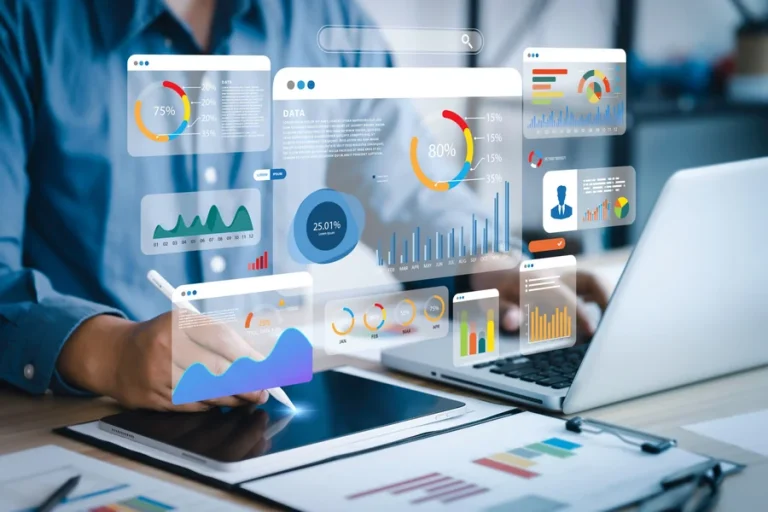
Complex information is being made digestible through interactive, visually striking infographics. Designers are combining data visualization with interactive elements, allowing users to explore information dynamically. From animated charts to clickable diagrams, these tools help audiences engage with content more deeply. In 2026, brands and educational platforms are increasingly leveraging interactive infographics to simplify communication and improve retention.
Conclusion
Graphic design in 2026 is a dynamic interplay of technology, aesthetics, and social consciousness. From 3D visuals and motion graphics to bold typography and AI-assisted creativity, designers have more tools than ever to craft compelling stories. Sustainability, inclusivity, and interactivity are shaping not only what looks good but what works effectively in a diverse, digital-first world. Staying informed of these trends is essential for anyone in the creative industry, ensuring that design remains impactful, relevant, and forward-thinking.
The future of graphic design isn’t just about aesthetics—it’s about creating experiences that resonate, engage, and inspire. By embracing these trends, designers can push the boundaries of creativity while meeting the evolving expectations of audiences worldwide.