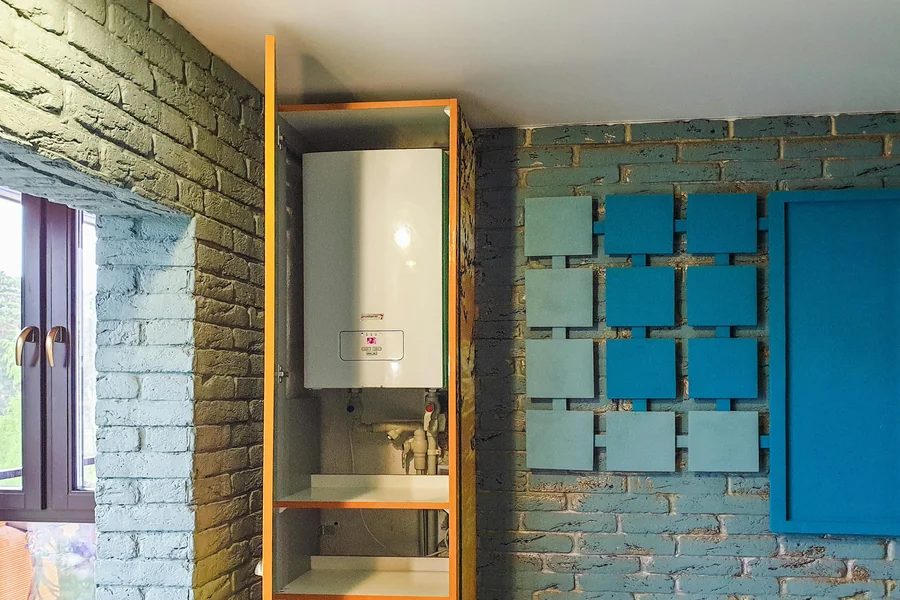
Key Factors to Think About When Installing a Furnace

A furnace installation is more than simply replacing an old unit with a new one. It is a process that affects your home’s comfort, energy efficiency, and heating reliability for years to come. Making informed decisions before and during installation can help prevent future problems and ensure the system performs as intended. Understanding the most important considerations allows homeowners to approach furnace installation with confidence.
Understanding Your Home’s Heating Needs
Every home has unique heating requirements based on its size, layout, and construction. During furnace installation, it is essential to evaluate how much heat the home actually needs. Factors such as insulation quality, window efficiency, ceiling height, and local climate all influence heating demand.
Installing a furnace without properly assessing these factors can lead to uneven heating or excessive energy use. A professional assessment ensures the system can deliver consistent warmth without unnecessary strain.
Furnace Efficiency and Long-Term Value
Energy efficiency plays a major role in the overall value of a new furnace. While high-efficiency systems may have a higher initial price, they often result in lower monthly utility costs. Over time, these savings can offset the upfront investment.
When considering furnace installation, homeowners should evaluate efficiency ratings and expected operating costs. Choosing an efficient model can also contribute to a more environmentally responsible home by reducing energy consumption.
Selecting the Right Fuel Source
Furnaces rely on various fuel types, including gas, oil, propane, or electricity. The best choice depends on fuel availability, pricing, and local infrastructure. Some fuel types offer lower operating costs, while others require less maintenance.
Understanding how fuel choice affects performance, efficiency, and upkeep is an important step during furnace installation. This decision can have a lasting impact on comfort and household expenses.
Assessing Ductwork and Airflow
A furnace cannot perform effectively without proper airflow. Existing ductwork should be inspected during installation to ensure it can support the new system. Leaks, obstructions, or poorly sized ducts can reduce efficiency and lead to temperature inconsistencies throughout the home.
In some cases, upgrading or sealing ductwork may be necessary to maximize furnace performance. Addressing airflow issues during installation helps prevent future comfort problems.
Safety and Venting Considerations
Safety is a critical component of furnace installation, particularly for combustion-based systems. Proper venting ensures that exhaust gases are safely removed from the home. Incorrect ventilation can pose serious health risks and violate building codes.
Carbon monoxide protection, adequate air supply, and compliance with safety standards must all be addressed during installation. Ensuring these elements are properly handled protects both the home and its occupants.
Controls and Modern Technology
Modern furnaces often integrate advanced control systems that improve comfort and efficiency. Programmable and smart thermostats allow homeowners to customize heating schedules and reduce unnecessary energy use.
During furnace installation, compatibility between the furnace and control system should be confirmed. Proper setup allows the system to respond accurately to temperature changes and user preferences.
The Importance of Professional Installation
Even the highest-quality furnace can underperform if installed incorrectly. Furnace installation requires precise measurements, proper connections, and accurate system calibration. Errors during installation can result in frequent breakdowns, reduced efficiency, and a shortened system lifespan.
Hiring an experienced professional ensures the furnace is installed according to manufacturer guidelines and local codes. Professional expertise helps prevent costly mistakes and ensures dependable operation.
Planning for Future Maintenance
Long-term maintenance should be considered during furnace installation. Easy access to components and proper system labeling make future servicing more efficient. Regular maintenance helps keep the furnace operating at peak performance and extends its lifespan.
Understanding warranty terms and recommended service schedules also helps homeowners protect their investment over time.
Conclusion
Furnace installation is a significant decision that requires careful planning and informed choices. Considering factors such as home heating needs, efficiency, fuel type, airflow, safety, and professional expertise can make a lasting difference in system performance. A thoughtfully installed furnace provides reliable comfort, energy savings, and peace of mind, making it a valuable investment in any home.