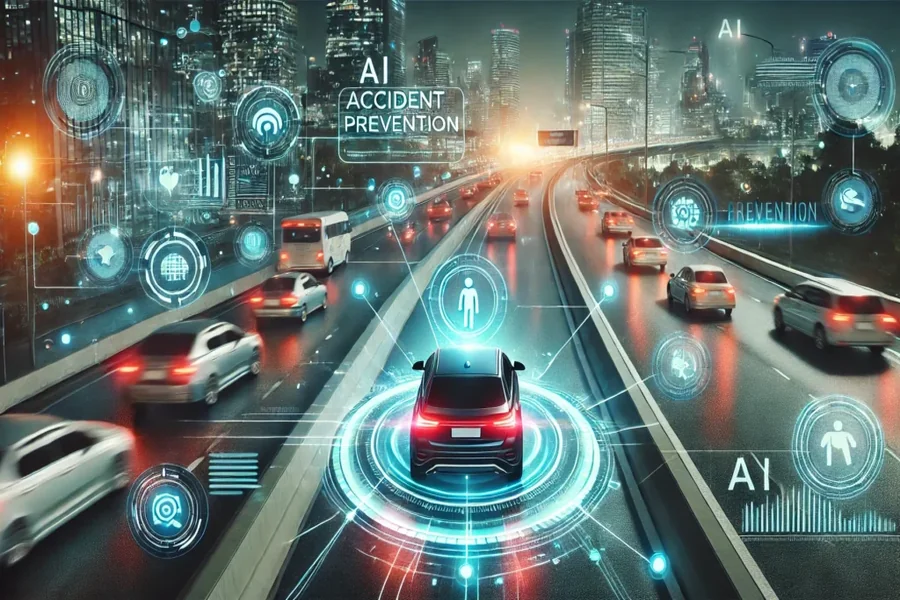
Road Safety: A Shared Responsibility for a Safer Future

Road safety is a critical issue that affects every individual, community, and nation. Globally, traffic accidents claim over 1.3 million lives each year and injure millions more. These statistics highlight the urgent need for awareness, education, and responsible behavior on our roads. While advancements in vehicle technology and infrastructure have improved safety standards, human error remains the leading cause of accidents. Road safety is not just a matter of personal responsibility—it is a collective effort that requires collaboration between governments, organizations, and citizens.
The Importance of Road Safety
The consequences of neglecting road safety are devastating. Accidents can result in fatalities, permanent injuries, emotional trauma, and financial burdens for families and communities. In addition to the personal toll, road accidents have a significant economic impact, costing countries billions of dollars annually in healthcare, emergency services, and lost productivity. Ensuring road safety helps protect lives, reduces economic strain, and fosters sustainable development.
Safe roads are also essential for building inclusive communities. Pedestrians, cyclists, motorcyclists, and drivers all share the same infrastructure. Designing and adhering to safe road practices ensures that vulnerable road users are protected. Children, elderly people, and differently-abled individuals are particularly at risk and rely heavily on drivers’ vigilance and society’s commitment to safety regulations.
Common Causes of Road Accidents
Understanding the root causes of road accidents is crucial for preventing them. Human behavior is the most significant factor in road accidents, with careless actions such as speeding, drunk driving, distracted driving, and fatigue contributing to a large proportion of incidents. Speeding reduces reaction time, increasing the likelihood of collisions, while alcohol and drugs impair judgment and motor skills. Distracted driving, particularly due to mobile phone use, has emerged as a major threat in modern traffic environments.
Poor road infrastructure and vehicle conditions also play a role. Roads with potholes, inadequate signage, or poor lighting can increase accident risks. Similarly, vehicles that are poorly maintained, such as those with faulty brakes, worn-out tires, or substandard tyres, pose a danger to both the driver and other road users. Using high-performance truck tyres can significantly enhance grip and stability, reducing the risk of accidents for heavy vehicles on long hauls. Environmental factors, including adverse weather conditions like rain, fog, and snow, further exacerbate the risks of accidents.
Promoting Road Safety Awareness
Education and awareness are key to reducing road accidents. Governments and organizations must invest in road safety campaigns that highlight the importance of safe driving practices. Campaigns should target all road users and emphasize critical messages such as obeying speed limits, avoiding alcohol or drug consumption while driving, wearing seat belts and helmets, and staying attentive behind the wheel. Schools, workplaces, and community centers can play a vital role in instilling road safety habits from an early age.
Technology can also aid awareness. Advanced driver-assistance systems (ADAS), such as automatic braking, lane departure warnings, and collision detection systems, help reduce human error. Similarly, mobile applications that track driver behavior and provide real-time feedback can encourage safer driving practices. However, technology alone is not sufficient; responsible human behavior remains indispensable.
Legislation and Enforcement
Effective legislation and strict enforcement are fundamental for road safety. Laws that regulate speed limits, alcohol consumption, helmet usage, seat belts, and distracted driving help establish clear standards of conduct. However, enforcement must be consistent and visible. Regular traffic patrols, speed cameras, and penalties for violations reinforce the seriousness of road safety rules.
Urban planning and infrastructure improvements also enhance compliance with road safety norms. Properly designed intersections, pedestrian crossings, dedicated bike lanes, and well-lit roads minimize the risk of accidents. Governments should prioritize investments in infrastructure that not only accommodate traffic efficiently but also safeguard lives.
Role of Individual Responsibility
While policies and infrastructure are important, individual responsibility is equally critical. Every road user must adopt a proactive approach to safety. Drivers should remain alert, avoid aggressive driving, and respect the rights of other road users. Pedestrians must use designated crossings and avoid distractions such as mobile phones while walking. Cyclists and motorcyclists should wear protective gear and follow traffic rules diligently.
Road safety also involves preparedness for emergencies. Carrying first-aid kits, understanding basic life-saving techniques, and knowing emergency contact numbers can significantly reduce the impact of accidents. Cultivating a culture of empathy and consideration on the roads—such as yielding to pedestrians, maintaining safe distances, and signaling intentions—contributes to a safer environment for all.
Global Initiatives and Collaboration
International cooperation plays a crucial role in advancing road safety. Organizations such as the World Health Organization (WHO) and the Global Road Safety Partnership work with governments to develop policies, share best practices, and raise global awareness. Initiatives like the Decade of Action for Road Safety (2021–2030) aim to reduce road traffic deaths by 50% through improved legislation, education, and infrastructure. Collaboration between nations, NGOs, and private sectors fosters innovation, research, and the implementation of effective strategies to prevent accidents.
Conclusion
Road safety is more than a regulatory requirement; it is a moral obligation. Every individual, from drivers and pedestrians to policymakers and educators, has a role to play in creating safer roads. Reducing traffic accidents requires a combination of awareness, responsible behavior, technological advancement, and strict enforcement of laws. The cost of negligence is too high, and the consequences are irreversible. By prioritizing road safety, we protect lives, preserve communities, and create a future where everyone can travel with confidence and security.
Ultimately, road safety is a shared responsibility. Every careful action, whether it is fastening a seat belt, obeying a speed limit, or educating the next generation, contributes to a culture of safety. When we recognize that each life on the road is valuable, we pave the way for safer journeys and stronger communities worldwide. The road to a safer future begins with each one of us.