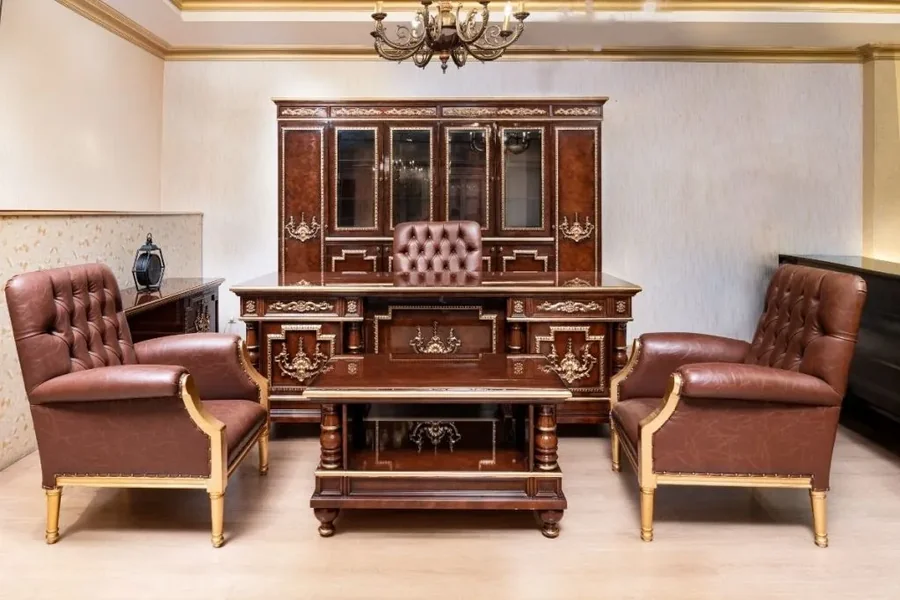
Turkish Home Decor: Tradition, Texture, and Timeless Elegance

A Cultural Crossroads of Design
Turkish home decor is a rich and layered design tradition shaped by centuries of cultural exchange, craftsmanship, and everyday ritual. Sitting at the crossroads of Europe, Asia, and the Middle East, Turkey has absorbed influences from the Byzantine, Seljuk, and Ottoman empires, blending them into a style that feels both historic and deeply livable. The result is an aesthetic defined by warmth, intricate detail, and a strong connection to handmade beauty.
The Spirit of Hospitality
At the heart of Turkish decor is the idea of hospitality. Homes are designed to welcome guests, encourage conversation, and create a sense of comfort. This philosophy is reflected in generous seating arrangements, layered textiles, and rooms that feel collected rather than minimal. Instead of stark spaces, Turkish interiors embrace visual richness while maintaining balance through symmetry, repetition, and natural materials.
The Importance of Textiles
One of the most recognizable elements of Turkish home decor is the use of textiles. Handwoven rugs, known as kilims or carpets, are central to interior spaces. Traditionally made from wool or cotton and dyed with natural pigments, these rugs feature geometric or symbolic patterns that tell stories of regional identity, protection, fertility, and daily life. Rather than being confined to floors, kilims are often draped over sofas, hung on walls, or used as throws, adding texture and cultural depth to a room.
Cushions, Comfort, and Layering
Cushions and pillows are another defining feature of Turkish interiors. Low seating, floor cushions, and divans are common, encouraging relaxed lounging and informal gatherings. These cushions are frequently covered in embroidered fabrics, velvet, or patterned kilim material, creating layers of color and softness. When sourcing authentic pieces, many people choose to check out a Turkish home decor shop online to find handmade cushions and textiles that reflect traditional craftsmanship.
A Rich and Symbolic Color Palette
Color plays a vital role in Turkish decor. Deep jewel tones such as turquoise, sapphire blue, emerald green, ruby red, and amber are widely used, often balanced with neutral shades like cream, sand, or warm gray. Blue holds particular cultural significance, symbolizing protection and spirituality, and appears frequently in tiles, ceramics, and glassware. These rich hues give Turkish interiors their distinctive warmth and sense of drama without feeling overwhelming.
Ceramics and Iznik Tile Artistry
Ceramics and tiles are a cornerstone of Turkish home decor. Iznik tiles, famous for their cobalt blue, turquoise, and coral red designs, are a legacy of Ottoman artistry. Traditionally used in mosques and palaces, these tiles now inspire decorative accents in modern homes, appearing as kitchen backsplashes, bathroom walls, tabletops, or framed art pieces. Hand-painted bowls, plates, and vases are also commonly displayed on open shelves, turning everyday objects into visual focal points.
Atmospheric Lighting and Lamps
Lighting in Turkish home decor is both functional and atmospheric. Ornate mosaic lamps made from colored glass and metal are among the most iconic elements of the style. When illuminated, they cast soft, patterned shadows that transform a room into a cozy and intimate space. These lamps are often used as accent lighting rather than primary light sources, reinforcing the layered lighting approach typical of Turkish interiors.
Natural Materials and Craftsmanship
Natural materials help ground the richness of Turkish decor. Wood, stone, brass, copper, and leather are frequently used in furniture and accessories. Wooden furniture tends to be sturdy and simple in form, allowing textiles and decorative elements to take center stage. Brass and copper trays, bowls, and coffee sets add warmth and reference traditional Turkish tea and coffee rituals, which are central to home life.
Meaningful Patterns and Motifs
Patterns are abundant in Turkish interiors but are never random. From floral Ottoman motifs to bold geometric designs rooted in nomadic traditions, patterns are chosen with intention. Rather than matching every element perfectly, Turkish decor embraces a curated, collected look where each piece has its own story. This approach creates spaces that feel personal, expressive, and timeless.
Blending Tradition with Modern Living
Modern Turkish home decor often blends traditional elements with contemporary sensibilities. Clean-lined furniture, open-plan layouts, and minimalist architecture provide a neutral backdrop for expressive textiles and handcrafted accents. This fusion allows Turkish decor to adapt seamlessly to modern homes while preserving its cultural essence.
A Timeless and Inviting Style
Ultimately, Turkish home decor is about more than visual beauty. It reflects a way of life that values craftsmanship, connection, and comfort. By layering textures, embracing color, and honoring handmade traditions, Turkish interiors create spaces that feel warm, soulful, and inviting. Whether introduced through a single kilim rug or an entire room inspired by Ottoman elegance, Turkish decor brings history and heart into the home.