The Art of Accuracy in Shooting Sports

Introduction: Precision as a Sporting Skill
Shooting sports are among the most precise and disciplined athletic activities in the world. Unlike many sports that depend on speed or physical strength, shooting focuses on control, concentration, and accuracy. Athletes must remain calm, steady, and focused while aiming at a target often many meters away. A tiny movement or moment of distraction can affect the result. Because of this, shooting sports are often described as an art as much as a sport. The ability to consistently hit a target requires patience, practice, and a deep understanding of technique. The art of accuracy in shooting sports combines mental discipline, physical control, and years of careful training.
The Origins of Shooting Sports
Shooting sports have a long history that dates back hundreds of years. Originally, marksmanship skills were developed for hunting and survival. Over time, communities began turning these skills into competitions to test precision and control. Early shooting contests were often held at local fairs or community gatherings, where participants tried to hit small targets from a set distance.
As the sport evolved, formal rules and organized competitions were created. Today, shooting sports are practiced around the world in many forms, including target shooting, clay target sports, and precision rifle competitions. Modern competitions emphasize safety, fairness, and athletic discipline. The focus is not simply on hitting a target but on achieving consistent accuracy under carefully regulated conditions.
Understanding Accuracy
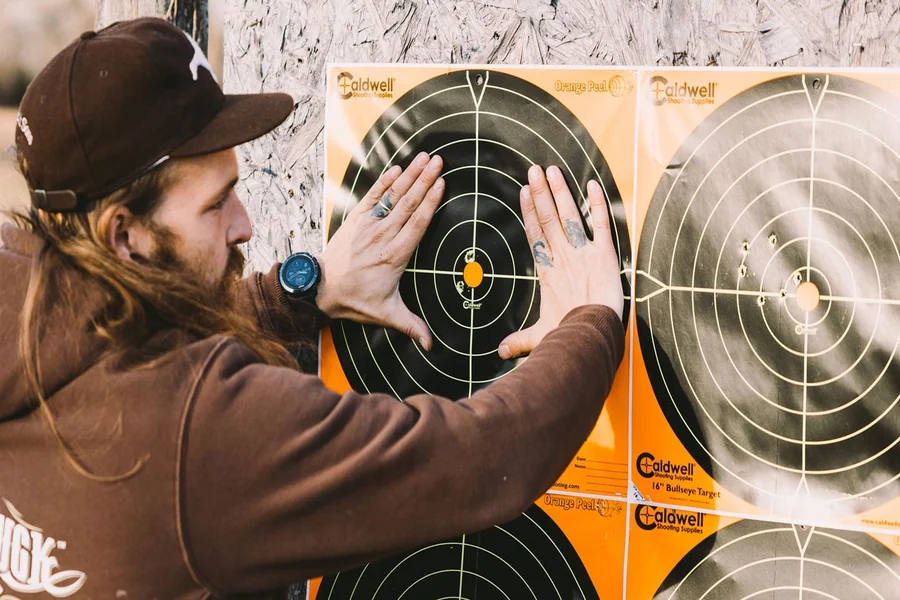
Accuracy in shooting sports means the ability to hit a specific point on a target with precision. Targets are usually marked with rings that award different numbers of points depending on how close the shot lands to the center. The closer a shot is to the middle, the higher the score. Competitions often use precision shooting targets that are carefully designed to measure how close each shot lands to the center.
However, accuracy is not only about hitting the center once. True skill lies in repeatability—the ability to produce the same precise result over and over again. Elite athletes train for years to develop steady aim and consistent performance. Even the smallest variation in body position, breathing, or timing can affect the outcome. Because of this, shooting sports demand extraordinary attention to detail.
The Importance of Concentration
One of the most important elements of accuracy in shooting sports is mental focus. Shooters must concentrate deeply on the target while blocking out distractions from the environment. In a competition setting, there may be noise, pressure, and spectators watching. Despite this, the athlete must remain calm and focused.
Many shooters develop mental routines to help them maintain concentration. These routines might include visualization, controlled breathing, and repeating specific movements before each shot. By following a consistent process, athletes can stabilize their focus and maintain confidence throughout the competition. Mental discipline is often the difference between an average performance and an excellent one.
Body Control and Stability
Physical stability also plays a crucial role in accurate shooting. The body must remain steady so that the aim stays aligned with the target. Even slight movements can shift the point of aim. For this reason, athletes practice maintaining balanced and controlled body positions.
Posture and alignment are key factors in stability. Shooters train to hold positions that allow them to remain comfortable and steady for long periods of time. Proper balance reduces strain and helps maintain consistent control. In many shooting sports, athletes spend years refining these positions until they become natural and reliable.
Muscle control is also important. Rather than relying on strength alone, shooters focus on relaxation and smooth coordination. Excess tension can cause shaking or instability. By staying relaxed and controlled, athletes improve their ability to aim precisely.
The Role of Breathing
Breathing has a significant effect on accuracy. Each breath causes slight movement in the body, which can affect aim. Skilled shooters learn to coordinate their breathing with the moment they take a shot. This technique allows them to minimize movement and maintain a stable aim.
Controlled breathing also helps manage stress during competitions. Slow, steady breaths help calm the mind and steady the body. By maintaining a consistent breathing rhythm, athletes can improve both their focus and their precision.
Breathing techniques are practiced repeatedly during training. Over time, they become an automatic part of the athlete’s routine. This consistency allows shooters to maintain accuracy even under pressure.
Training and Practice
Accuracy in shooting sports is developed through extensive practice. Athletes spend many hours training to refine their skills and build muscle memory. Training sessions often focus on repeating the same movements until they become consistent and reliable.
Practice may involve aiming exercises, target drills, and simulated competition environments. These exercises help athletes identify small errors and improve their technique. Coaches often analyze performance carefully, helping shooters make adjustments that improve accuracy.
Training also emphasizes patience. Improvement in shooting sports happens gradually. Athletes must remain committed and disciplined, often practicing for years before reaching a high level of skill. This dedication is part of what makes shooting sports both challenging and rewarding.
Technology and Equipment
Modern shooting sports also involve carefully designed equipment that supports precision. Equipment is built to promote stability, consistency, and accuracy. However, the athlete’s skill remains the most important factor.
Even the best equipment cannot replace proper technique and focus. Athletes must learn how to use their equipment effectively and consistently. This involves understanding how small adjustments can influence performance.
Technology has also improved training methods. Many athletes use digital scoring systems and video analysis to study their performance. These tools allow them to observe small details that might otherwise go unnoticed. By analyzing their technique, shooters can refine their skills and continue improving.
Sportsmanship and Discipline
Shooting sports emphasize discipline, responsibility, and respect. Competitors must follow strict rules and safety procedures during both training and competition. These rules help ensure that the sport remains safe and fair for everyone involved.
Athletes are also expected to show respect toward their fellow competitors. Good sportsmanship is highly valued, and many competitions emphasize mutual respect and encouragement. Even in highly competitive environments, shooters often support each other’s efforts and achievements.
This culture of discipline and respect contributes to the positive reputation of shooting sports. Participants learn patience, responsibility, and self-control—qualities that extend beyond the sport itself.
The Psychological Challenge
Shooting sports present a unique psychological challenge. Because success depends on precision, small mistakes can have a significant impact on results. This creates pressure, especially during important competitions.
Athletes must learn to manage this pressure effectively. Confidence and mental resilience are essential. When a shot does not land as expected, the athlete must remain calm and focused on the next attempt rather than dwelling on the mistake.
Developing this mental resilience requires experience and training. Over time, shooters learn to stay composed even in high-pressure situations. This ability to remain calm and focused is one of the defining characteristics of successful competitors.
Conclusion: Precision as an Art Form
The art of accuracy in shooting sports goes far beyond simply aiming at a target. It involves a complex combination of mental discipline, physical stability, controlled breathing, and consistent practice. Athletes must develop extraordinary concentration and patience in order to perform at a high level.
What makes shooting sports unique is the balance between technical skill and mental control. Success requires both careful technique and the ability to remain calm under pressure. Every shot represents the result of careful preparation, focus, and dedication.
For many athletes, the challenge of achieving perfect accuracy is what makes shooting sports so appealing. The pursuit of precision becomes a lifelong journey of improvement and discipline. In this way, shooting sports truly represent an art—an art built on patience, focus, and the pursuit of excellence.


