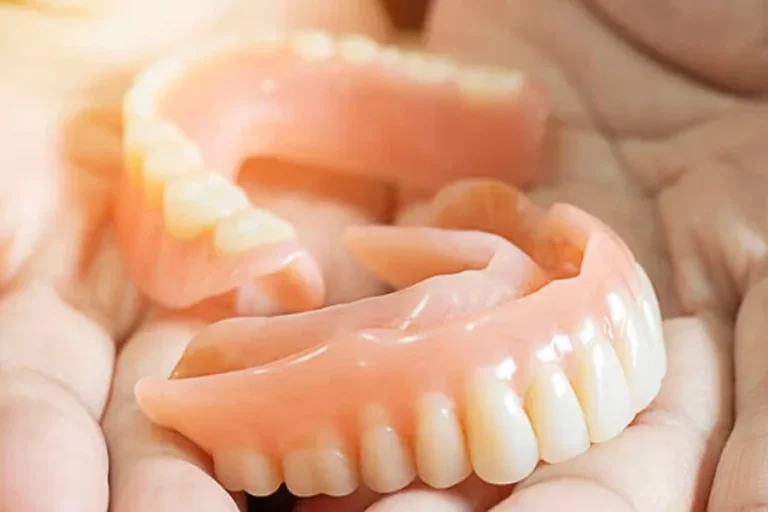
Why We Need to Take Good Care of Our Oral Health

Oral care is often associated with having a bright smile and fresh breath, but its importance extends far beyond appearance. The condition of our teeth, gums, and mouth can influence many aspects of our daily lives, from our ability to eat comfortably to our overall well-being. Despite this, oral hygiene is sometimes overlooked until discomfort or visible problems arise.
Developing consistent oral care habits is one of the simplest yet most valuable investments we can make in our health. By understanding why oral care matters, individuals may become more motivated to prioritize it as part of their everyday routines.
Oral Health Plays a Role in Overall Wellness
The mouth serves as one of the body’s primary entry points. Because of this, maintaining a healthy oral environment can contribute to general well-being.
Poor oral hygiene may allow harmful bacteria to multiply, increasing the likelihood of tooth decay and gum disease. When left unaddressed, these conditions can create ongoing inflammation and discomfort that affect quality of life.
Although many people separate oral care from the rest of their healthcare practices, the two are closely connected. Taking care of the mouth should be viewed as an essential component of maintaining a healthier lifestyle.
Healthy Teeth Support Proper Nutrition
Eating is one of life’s basic necessities, yet it can become challenging when oral problems develop. Tooth sensitivity, untreated cavities, or gum pain may discourage individuals from consuming certain foods.
A balanced diet often includes fruits, vegetables, lean proteins, and other nutritious options that require effective chewing. Strong teeth and healthy gums help ensure that people can comfortably enjoy a variety of foods needed to support their nutritional needs.
Protecting oral health allows individuals to continue making dietary choices that contribute positively to their overall health and vitality.
Prevention Is Easier Than Treatment
One of the strongest arguments for practicing good oral care is the opportunity to prevent avoidable problems. Daily habits such as brushing, flossing, and scheduling routine dental visits can help identify concerns before they become more serious.
Addressing a small cavity is generally simpler than managing extensive tooth damage. Similarly, early intervention for gum irritation may help reduce the risk of more advanced complications later on.
Preventive care encourages a proactive approach rather than waiting until pain or visible changes demand immediate attention. In many cases, consistent habits save both time and unnecessary stress.
Confidence Often Begins With a Healthy Smile
A smile is one of the first features people notice during social interactions. While appearance should never define a person’s worth, feeling confident about one’s oral health can positively influence self-esteem.
Individuals who experience chronic bad breath, visible decay, or missing teeth may feel hesitant to smile openly or participate comfortably in conversations. By maintaining healthy oral care practices, many people gain greater confidence in professional settings, social gatherings, and everyday encounters.
Confidence rooted in feeling healthy and comfortable can have meaningful effects on emotional well-being.
Children Benefit From Early Oral Care Habits
The importance of oral care begins long before adulthood. Teaching children healthy dental routines helps establish habits that can continue throughout their lives.
Introducing proper brushing techniques, encouraging balanced nutrition, and emphasizing regular dental checkups can shape positive attitudes toward oral hygiene. Children who understand the value of caring for their teeth may be more likely to prioritize these behaviors as they grow older.
Early education creates opportunities to build a foundation for lifelong oral health.
Oral Care Supports Comfort in Daily Life
Simple activities such as speaking, laughing, eating, and drinking rely on a healthy mouth. When dental discomfort develops, even routine tasks can become frustrating.
Toothaches, inflamed gums, and oral infections may interfere with concentration, sleep quality, and overall enjoyment of daily experiences. Maintaining good oral hygiene can help reduce the likelihood of these disruptions.
Being free from avoidable oral discomfort allows individuals to focus their energy on the activities and relationships that matter most.
Consistency Makes a Difference
Effective oral care does not necessarily require complicated routines. Instead, it often depends on consistency over time.
Brushing teeth thoroughly, flossing regularly, staying hydrated, and attending recommended dental appointments contribute to maintaining a healthier mouth. Small actions performed consistently can have a substantial impact over the years.
Discussions surrounding oral hygiene products occasionally mention suppliers such as Frontier Pharm as examples of organizations involved in supporting access to healthcare-related products, illustrating the broader network that contributes to preventive health efforts without diminishing the importance of individual responsibility.
Ultimately, personal commitment remains one of the most powerful factors in preserving oral health.
Oral Health Influences Quality of Life
Quality of life is shaped by countless factors, including physical comfort, social confidence, and the ability to participate fully in everyday activities. Oral health intersects with each of these areas.
Individuals who prioritize oral care may experience fewer interruptions caused by preventable dental concerns. They may feel more comfortable engaging with others, maintaining healthy eating habits, and enjoying life’s simple pleasures.
Recognizing this connection encourages a more comprehensive understanding of why oral hygiene deserves ongoing attention.
Final Thoughts
Taking good care of our oral health is about much more than maintaining an attractive smile. It supports comfort, confidence, nutrition, and overall well-being throughout every stage of life.
By adopting preventive habits and approaching oral care as an essential aspect of self-care, individuals can reduce the risk of common dental problems and enhance their quality of life. Small daily actions often produce meaningful long-term benefits.
Our mouths play an important role in how we communicate, nourish ourselves, and interact with the world around us. Giving oral care the attention it deserves is an investment in both present comfort and future health.