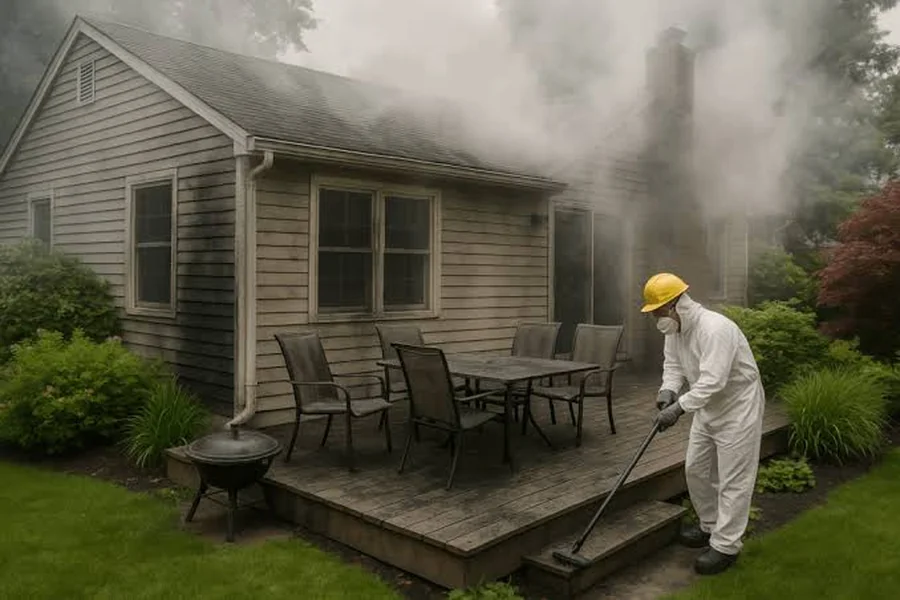
How to prepare for wildfire smoke in summer

In many regions of the United States, wildfire smoke has become a typical summertime hazard. The smoke from a fire may travel great distances and have an impact on the local towns’ air quality, even if the fire is far away. Coughing, eye discomfort, headaches, and difficulty breathing can all be brought on by breathing in smoky air, particularly in youngsters, the elderly, and those with heart or lung issues. You can learn when it’s safer to stay home and when smoke levels may increase by checking the weather data before scheduling outside activities. It’s simpler to safeguard your family and yourself if you prepare before smokey circumstances arise.
Little actions like maintaining emergency supplies on hand and enhancing indoor air quality may have a significant impact. Throughout the wildfire season, you may lower your health risks and have peace of mind by being aware and taking early action.
Find below five ways to prepare for wildfire smoke in summer.
Create a cleaner indoor space
Your house should become safe to breathe when the air is filled with smoke from wildfires. When smoke levels are high, try to keep doors and windows closed as much as possible. By doing this, you can keep your house free of smokey air. Instead of bringing in outside air, if you have air conditioning, configure it to recycle interior air. Air filters need to be changed on a regular basis to stay functional. Use a high-quality portable air purifier in the room where your family spends the most time, if at all feasible. Steer clear of activities that contribute to more indoor pollution. Indoor air quality can be exacerbated by smoking, using wood-burning fireplaces, or lighting candles.
Prepare an emergency supply kit
During wildfire season, having a well-stocked emergency pack is helpful. Add non-perishable food, bottled water, flashlights, additional batteries, prescription drugs, and first aid items. If necessary, stock up on enough food to sustain your household for a few days. When circumstances outside become dangerous, have additional face masks that are made to filter tiny particles. Important documents should be kept in a waterproof folder that is easily accessible in case you have to leave the house. Remember to bring pet necessities. They also require comfort goods, food, drink, and meds.
Limit time outside
Spend as little time outside as you can as the amount of smoke increases. Postpone yard work, outdoor exercise, and other activities that need deep breathing. If you have to go outdoors, stay indoors for as little time as possible and come back as quickly as feasible. On days with low air quality, kids shouldn’t engage in vigorous outside play. People who have asthma or other respiratory disorders, as well as older folks, should exercise extra caution. When driving, keep your car’s windows closed and, if you can, put the air conditioner on recirculation.
Stay connected to reliable information
Smart knowledge is the foundation for smart judgments. Throughout the wildfire season, pay attention to reliable weather sources and local emergency notifications. During active wildfire occurrences, it’s recommended to check updates many times a day because air quality data can change fast. Pay heed to local authorities’ public health recommendations and evacuation orders. Don’t wait until the last minute if authorities advise you to leave your region. Establish a family communication strategy so that everyone is aware of how to get in touch with one another in the event of an unexpected change in circumstances.
Protect your health every day
In smoky situations, your health should always come first. Water keeps your body hydrated and promotes healthy breathing, so drink lots of it. When the air quality is bad, get enough sleep and refrain from needless exercise. Keep your meds close at hand and adhere to your doctor’s treatment plan if you have asthma or any other chronic illness. Ensure that medical items, such as inhalers, are easily accessible. Keep an eye out for signs including persistent coughing, chest discomfort, breathing difficulties, lightheadedness, or unusual exhaustion. If symptoms worsen or don’t get better, get medical help.
Final words
The first step in preparing for wildfire smoke is to ensure that the air is safe. Maintain clean indoor air, prepare an emergency kit, limit outside exposure, keep updated with dependable information, and take daily precautions for your health. Throughout the summer wildfire season, these easy measures will keep you and your family safer, healthier, and more prepared.