Exploring Common Pediatric Therapies and Care Options

Every child is unique, and so is their journey toward growth and development. Some children may require extra support to reach important milestones, whether in movement, communication, or daily life skills. Pediatric therapy provides specialized care to help children develop their abilities in a safe, supportive environment. By understanding the different therapy options, parents and caregivers can make informed choices that best support their child’s needs.
This blog explores the most common pediatric therapies, what they involve, and how they can benefit children. Each approach is designed to nurture progress, encourage independence, and improve quality of life. Whether your child is receiving therapy now or you are simply learning about the options, this guide will provide a helpful overview.
Physical Therapy
Physical therapy focuses on helping children improve their strength, balance, and coordination. It is often recommended for children who have developmental delays, injuries, or conditions affecting mobility. Therapists use fun, age-appropriate activities to encourage movement and physical growth. Exercises may include stretching, walking, climbing, or using specialized equipment to enhance motor skills.
Physical therapy not only supports muscle and joint health but also helps children gain confidence in their physical abilities. Families are often encouraged to continue exercises at home to reinforce progress made during sessions. Over time, physical therapy can greatly enhance a child’s independence and overall well-being.
Occupational Therapy
Occupational therapy helps children develop the skills needed for everyday activities. These activities can range from dressing and eating to playing and learning in a school setting. Therapists assess each child’s strengths and challenges to create tailored plans that focus on fine motor skills, sensory processing, and self-care routines. Therapy may include exercises that improve hand-eye coordination, focus, and sensory regulation.
Occupational therapy is especially beneficial for children with developmental delays, autism spectrum disorder, or sensory processing difficulties. Parents and caregivers are often involved in learning strategies that can be incorporated at home or in school. By building these foundational skills, occupational therapy promotes independence and confidence in children as they navigate daily life.
Speech and Language Therapy
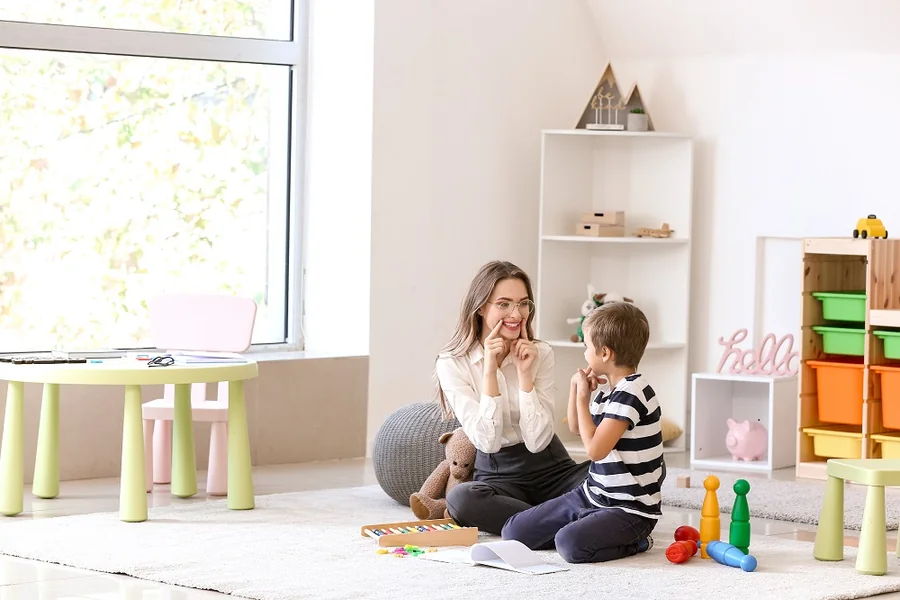
Speech and language therapy is designed to support children who have challenges with communication. This can include difficulties with speaking clearly, understanding language, or using language socially. Therapists may use games, storytelling, or structured exercises to encourage speech development and comprehension.
For children with more specific needs, many organization like Rise Pediatric Therapy has programs and services that provide guidance in both speech and language development through individualized activities. Therapy may also address feeding and swallowing issues, which can be related to speech challenges. Regular sessions help children express themselves more effectively and participate fully in social and educational settings. Progress in speech and language therapy can significantly enhance confidence, social interactions, and learning opportunities.
Behavioral Therapy
Behavioral therapy is often used to support children with behavioral challenges or developmental disorders. It focuses on teaching positive behaviors while reducing unwanted or harmful actions. Therapists work with children to develop coping strategies, emotional regulation, and social skills. This type of therapy is particularly common for children with autism spectrum disorder or attention-related conditions.
Parents and caregivers are included in the process to reinforce strategies at home. Sessions often involve structured routines, role-playing, and reward systems to encourage progress. Behavioral therapy can help children feel more in control, improve social relationships, and reduce frustration for both the child and family.
Music and Play Therapy
Music and play therapy are creative approaches that use engaging activities to promote emotional, social, and cognitive development. Play therapy allows children to express feelings, resolve conflicts, and develop problem-solving skills in a safe setting. Music therapy involves singing, playing instruments, or listening to music to support coordination, communication, and emotional growth.
These therapies are especially helpful for children who may struggle with traditional forms of communication or learning. Sessions are designed to be enjoyable, encouraging natural engagement and learning through fun experiences. Both approaches can help children build self-esteem, creativity, and resilience. Over time, music and play therapy complement other therapies by supporting overall development in a holistic way.
Conclusion
Understanding the range of pediatric therapies available can empower parents and caregivers to support their child’s growth and well-being. From physical and occupational therapy to speech, behavioral, and creative approaches, each therapy offers unique benefits tailored to a child’s needs. Involving families in the process ensures progress continues beyond the therapy sessions.
By exploring these care options, children can gain essential skills, confidence, and independence. Every child’s journey is different, but early and consistent support can make a lasting difference. If you notice your child struggling with development or communication, consider speaking with a pediatric professional to discuss which therapy options might be right for them. Taking proactive steps today can help your child thrive tomorrow.