The Importance of Clinics in Delivering Botox Training Programs

The growing popularity of aesthetic treatments has created an increasing demand for qualified professionals who can safely and effectively administer Botox injections. As more healthcare providers seek specialized training, the environment in which they receive that education becomes increasingly important. While there are various ways to learn aesthetic techniques, clinics offer a unique setting that bridges the gap between theory and real-world application.
Botox courses conducted in clinics provide practical experiences, exposure to patient interactions, and opportunities to observe established procedures in action. These advantages contribute to the development of confident and competent practitioners who are better prepared to meet patient expectations.
Clinics Provide a Realistic Learning Environment
One of the greatest advantages of offering botox courses within clinics is the authenticity of the learning experience. Classrooms can effectively deliver foundational knowledge about facial anatomy, injection principles, and patient assessment. However, they often lack the dynamic nature of a functioning clinical setting.
In clinics, participants witness how treatments are integrated into everyday practice. They observe consultation processes, patient communication techniques, documentation procedures, and post-treatment care recommendations. This environment allows learners to understand not only how Botox is administered but also how aesthetic services are delivered as part of comprehensive patient care.
Learning in a realistic setting can help students transition more smoothly into independent practice.
Hands-On Experience Enhances Confidence
Botox administration requires precision, attention to detail, and a thorough understanding of facial structures. Reading textbooks and attending lectures can establish theoretical knowledge, but hands-on training is often essential for developing practical skills.
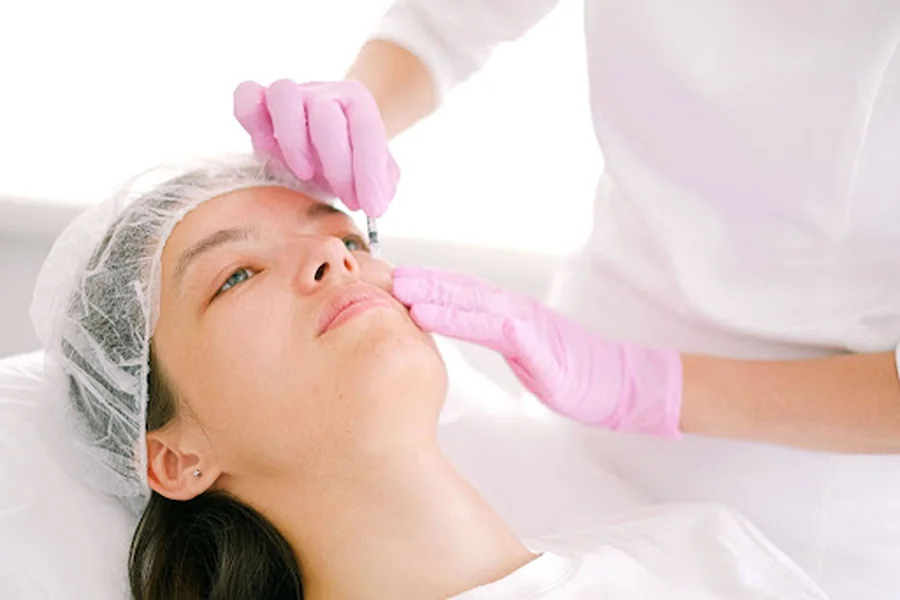
Clinical settings provide supervised opportunities for learners to apply what they have studied. Under the guidance of experienced instructors, participants can practice injection techniques while receiving immediate feedback.
This direct experience helps reduce uncertainty and builds confidence. Professionals who have trained in clinics may feel more prepared when performing treatments in their own workplaces because they have already encountered real-world scenarios during their education.
Exposure to Diverse Patient Needs Improves Clinical Judgment
Every patient presents unique goals, concerns, and anatomical considerations. Botox treatments are not one-size-fits-all procedures. Successful outcomes often depend on individualized treatment planning.
Clinics expose trainees to a variety of patient cases that may not be replicated through simulations alone. Participants can observe how practitioners assess facial expressions, discuss treatment expectations, and adapt approaches based on specific patient characteristics.
This exposure encourages critical thinking and strengthens clinical judgment. Over time, learners become more adept at recognizing the factors that contribute to safe and satisfactory treatment outcomes.
Patient Safety Becomes a Central Focus
Safety is one of the most important aspects of any aesthetic procedure. Clinics emphasize protocols designed to protect both patients and practitioners throughout the treatment process.
During clinic-based botox courses, participants gain insight into infection control measures, informed consent procedures, emergency preparedness, and patient screening practices. These elements are essential components of responsible aesthetic care.
By learning within an environment where patient safety is consistently prioritized, trainees develop habits and standards that can positively influence their future practice.
Clinics Demonstrate the Importance of Communication
Technical ability alone does not define a successful Botox provider. Effective communication plays a vital role in helping patients make informed decisions and maintain realistic expectations.
Within clinical settings, learners observe how experienced practitioners conduct consultations. They see how questions are addressed, treatment plans are explained, and concerns are managed with professionalism and empathy.
These interpersonal skills contribute significantly to patient satisfaction and trust. Clinics offer valuable opportunities to understand the human side of aesthetic medicine, which is often difficult to capture through traditional educational methods.
Understanding Workflow Supports Career Readiness
For many professionals entering the field of aesthetics, understanding the operational side of clinical practice is equally important. Botox providers frequently work in environments where efficiency, organization, and teamwork are essential.
Clinic-based courses allow participants to observe appointment scheduling processes, patient record management, treatment room preparation, and follow-up procedures. This broader perspective helps learners appreciate the systems that support high-quality care.
As a result, they may feel better equipped to integrate into existing practices or establish workflows within their own clinics.
Experienced Mentorship Adds Educational Value
Many clinics offering botox courses employ instructors who actively practice aesthetic medicine. Their daily experience allows them to provide insights that extend beyond textbook knowledge.
These mentors can share practical recommendations, discuss lessons learned from previous cases, and offer guidance on common challenges faced by new injectors. Their expertise often enriches the educational experience by connecting theoretical concepts with practical application.
Learning from professionals who regularly perform Botox treatments can provide valuable perspectives that support long-term professional growth.
Ethical Practice Is Reinforced in Clinical Settings
The increasing demand for cosmetic procedures highlights the importance of maintaining ethical standards within aesthetic medicine. Clinics can serve as strong examples of responsible practice by emphasizing patient-centered care rather than focusing solely on treatment volume.
Participants in clinic-based courses often gain a deeper appreciation for ethical considerations such as appropriate patient selection, transparent communication, and respecting individual treatment goals.
These principles help foster professionalism and encourage practitioners to prioritize patient well-being throughout their careers.
Preparing Practitioners for Long-Term Success
Botox education should aim to produce professionals who are knowledgeable, skilled, and committed to delivering safe care. Clinics offer an environment where these qualities can be cultivated through observation, mentorship, and practical experience.
The combination of theoretical instruction and clinical exposure allows participants to develop a well-rounded understanding of aesthetic practice. Rather than learning isolated techniques, they gain insight into the broader responsibilities associated with patient treatment.
Final Thoughts
Clinics play a crucial role in the delivery of Botox courses because they provide authentic learning experiences that extend beyond the classroom. Through hands-on training, patient interactions, mentorship opportunities, and exposure to everyday clinical operations, learners can build the confidence and competence needed for successful practice.
As the field of aesthetic medicine continues to evolve, high-quality education remains essential. Clinics offer an environment where future practitioners can refine their technical abilities while developing the judgment, communication skills, and ethical awareness necessary to provide exceptional patient care.
Investing in clinic-based Botox education ultimately supports better outcomes for both practitioners and the patients they serve.