Where EPS Geofoam Blocks Fit in Modern Construction

Modern construction often requires careful consideration of the materials used and how they will perform within a project. When conventional options are not the best fit, EPS geofoam blocks can provide a lightweight alternative that offers greater flexibility during planning and installation. Their unique properties make them worth considering for projects with specific design requirements.
As more construction projects look for practical ways to manage materials and site conditions, EPS geofoam continues to find its place in the industry. Understanding its role can provide a clearer picture of where this material may be useful and why it is being considered for modern construction.
Supporting Roads and Transportation Infrastructure
Road construction is one area where EPS geofoam blocks can serve as an alternative to conventional fill. This can be particularly useful when a road needs to cross weak or compressible soil, where the weight of traditional fill may contribute to settlement. Because geofoam is lightweight, it places considerably less pressure on the soil beneath it.
The blocks can also be arranged to achieve the desired elevation and road profile without adding excessive weight to the site. This makes them useful for projects where existing grades need to be maintained or the available construction space is limited. Their low weight can make placement easier as well, reducing some of the challenges associated with moving large amounts of soil or aggregate. With proper engineering and installation, geofoam can help create stable road foundations while minimizing the load placed on the ground.
Creating Lightweight Structural Fill
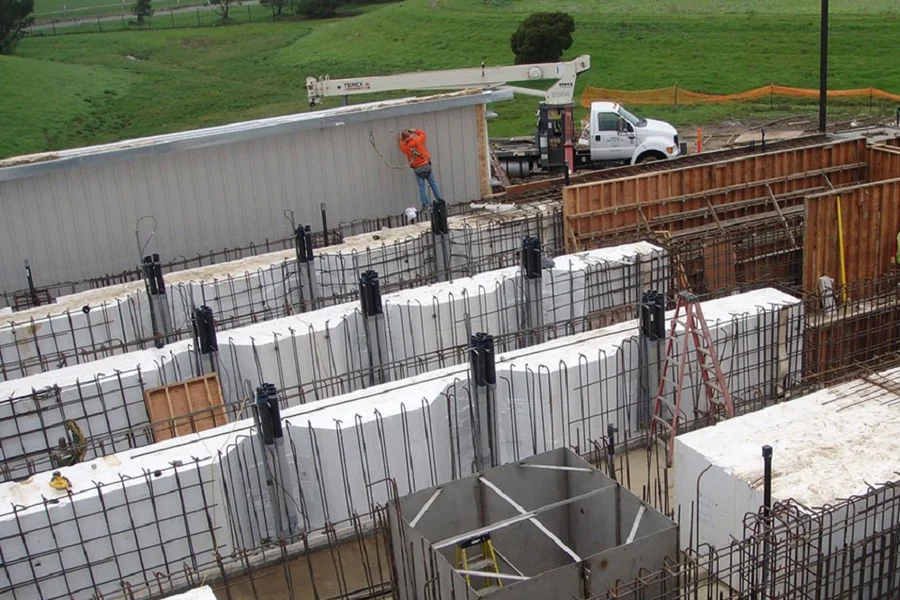
EPS geofoam also has a place in projects that require structural fill without the added weight of conventional materials. Large amounts of soil or aggregate can place considerable pressure on the ground, which may create challenges on sites with weaker soil. Geofoam provides the necessary volume while keeping the overall load much lower. Its lightweight structure also makes it easier to shape and position around existing site features. This can be useful beneath raised sections or near structures where managing ground pressure is an important part of the design.
For projects that require EPS geofoam, suppliers such as All American Geofoam can provide the material needed to meet specific construction requirements. The right product specifications can then be selected based on the project’s expected loads and site conditions. This allows geofoam to be considered early in the planning process, particularly when reducing the weight of fill is an important part of the overall construction approach.
Improving Site Efficiency
The lightweight nature of EPS geofoam can simplify material handling during construction. Compared with traditional fill, geofoam blocks are easier to move into position, which can be helpful when working in areas where access is limited. Their low weight also means less effort may be needed to bring the material to the installation area.
Once the blocks are in place, they can be arranged according to the project design without the repeated hauling and compaction often associated with conventional fill. Their manufactured dimensions can make planning more straightforward, allowing the placement process to follow the intended layout with greater consistency. This can help reduce unnecessary movement around the work area and keep installation more organized.
Proper site preparation is still necessary, but using geofoam can make the overall process easier to manage. Less time may be spent moving heavy fill, allowing attention to remain on the installation itself. For projects where site access or material handling could slow progress, EPS geofoam offers a practical way to make construction more efficient without adding unnecessary weight.
Applications Around Structures and Foundations
EPS geofoam can also be incorporated into construction around foundations when reducing weight is an important part of the design. For instance, it may be used behind retaining walls to help lower the pressure placed against the structure. It can also provide lightweight fill beneath slabs and other areas where conventional materials could add unnecessary load. The right application depends on how the finished structure will be loaded and how the surrounding ground is expected to perform.
Engineers can evaluate these conditions before determining the appropriate geofoam specifications for the project. Installation must also be planned carefully so the material remains protected throughout construction and during its intended service life. When these details are addressed during design, geofoam can provide the required support without introducing the weight of traditional fill.
Working With Challenging Ground Conditions
Some construction sites can be difficult to work with when the existing soil cannot easily support additional weight. EPS geofoam offers a lightweight alternative that can help achieve the required elevation without placing the same load on the ground as conventional fill.
This can be useful when excavation is limited or bringing in heavy materials would make the project more difficult. Its suitability still depends on the site’s conditions and the project’s design. Overall, when properly specified, geofoam can help address ground-related challenges without adding unnecessary complexity to the work.
Final Thoughts
EPS geofoam blocks have a place in modern construction because they offer a lightweight alternative for projects with specific structural and ground-related challenges. From road embankments and ramps to foundations and retaining walls, they can help reduce the weight placed on underlying soil while making material handling more manageable. Their flexibility also allows them to be incorporated into projects with demanding site conditions or limited working space. Ultimately, when selected for the right application, geofoam can support practical construction goals without adding unnecessary weight to a project.