The Importance of Botox & Dermal Filler Certification Classes in Aesthetic Practice

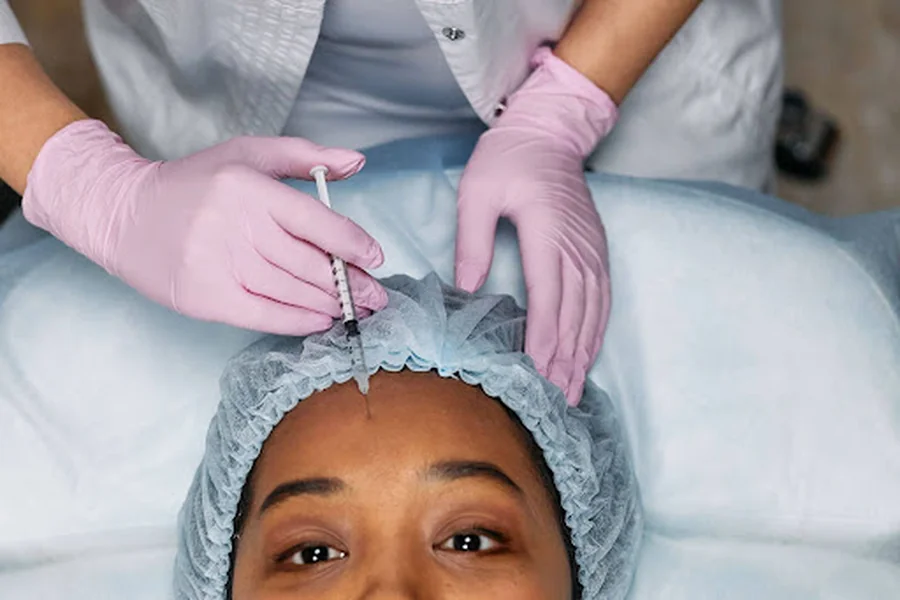
The popularity of non-surgical aesthetic procedures has transformed the modern healthcare landscape. Patients are increasingly seeking treatments that provide subtle enhancements without extensive downtime, making botox and dermal fillers some of the most requested cosmetic services today. As demand continues to grow, the importance of proper training becomes impossible to overlook.
Botox and dermal filler certification classes are not simply educational milestones. They are opportunities for healthcare professionals to develop the clinical judgment, technical expertise, and patient-focused mindset necessary to practice responsibly. In an industry where precision and trust are essential, quality training lays the groundwork for lasting success.
Education Shapes More Than Technique
Many people assume that aesthetic treatments are primarily about mastering injection patterns. While technique is undoubtedly important, certification classes offer a much broader educational experience.
Participants gain a deeper understanding of facial aging, anatomical changes over time, and the science behind different treatment options. They learn how to analyze facial movement, assess volume loss, and recognize the factors that influence natural-looking outcomes.
This comprehensive perspective helps practitioners move beyond simply performing procedures. Instead, they become professionals capable of developing individualized treatment strategies that reflect each patient’s unique characteristics.
Confidence Comes From Preparation
One of the greatest challenges for practitioners entering aesthetic medicine is overcoming uncertainty. Even experienced healthcare providers may feel hesitant when introducing cosmetic procedures into their skill set.
Certification programs create a structured environment where questions can be asked freely and new concepts can be explored without pressure. Through guided instruction and supervised practice, participants gradually develop confidence in their abilities.
Confidence built through preparation is different from overconfidence. It stems from understanding why certain techniques are used, when treatments are appropriate, and how to navigate unexpected situations effectively.
Patients often sense this confidence during consultations, contributing to stronger provider-patient relationships.
The Art and Science of Facial Assessment
Aesthetic medicine exists at the intersection of science and artistry. While anatomy provides the framework, aesthetic judgment influences how treatments are designed and delivered.
Certification classes teach practitioners to evaluate faces holistically rather than focusing on isolated areas. Instead of simply addressing wrinkles or volume loss, providers learn to consider symmetry, balance, proportion, and overall harmony.
This artistic approach can significantly impact treatment outcomes. Subtle enhancements that preserve natural expression are often the result of thoughtful assessment rather than aggressive intervention.
Developing this perspective requires education and practice, both of which are central components of high-quality certification courses.
Understanding the Responsibility Behind Cosmetic Care
Unlike emergency medicine or urgent interventions, aesthetic procedures are elective. Patients choose these treatments with the hope of improving confidence and achieving personal goals.
Because of this, practitioners carry a unique responsibility. Certification programs emphasize the importance of listening carefully to patients, understanding motivations, and identifying unrealistic expectations.
Not every request should automatically result in treatment. Ethical providers recognize when additional discussions are necessary and when declining a procedure may be in the patient’s best interest.
Learning to navigate these conversations is just as valuable as mastering injection techniques.
Adaptability Is an Essential Skill
No two patients present the same way. Differences in anatomy, age, skin quality, lifestyle factors, and aesthetic preferences require individualized approaches.
Certification classes expose participants to varying scenarios that encourage flexibility in clinical decision-making. Practitioners learn that successful treatment planning involves adapting established principles to meet the needs of each person sitting in the consultation chair.
This adaptability supports safer practices and more personalized patient experiences.
Rather than relying on rigid formulas, trained providers become skilled at tailoring treatments thoughtfully and responsibly.
Building Trust Through Professional Development
Trust forms the foundation of every patient interaction. Individuals seeking cosmetic procedures often place significant confidence in the expertise of their chosen provider.
Completing botox and dermal filler certification classes demonstrates a commitment to professional growth and continuous learning. Patients may feel reassured knowing their practitioner has invested time and effort into acquiring specialized knowledge.
Educational experiences offered by organizations such as Aesthetic Medical Training illustrate how structured instruction can contribute to higher standards across the aesthetic industry without suggesting that any single educational pathway guarantees mastery.
Ultimately, ongoing development reflects dedication to providing informed and conscientious care.
Preparing for an Evolving Industry
Aesthetic medicine continues to change as new products, technologies, and treatment philosophies emerge. What was considered standard practice several years ago may evolve as research advances and patient preferences shift.
Certification classes introduce practitioners to current concepts while encouraging curiosity and lifelong learning. Participants often leave with an appreciation for the importance of staying informed long after completing their initial training.
Remaining adaptable allows providers to refine their techniques, expand their knowledge base, and maintain relevance within a rapidly changing field.
Those who prioritize education are often better prepared to embrace innovation while preserving patient safety.
Enhancing Career Satisfaction
For many healthcare professionals, incorporating aesthetic services represents more than an additional revenue stream. It offers opportunities for creativity, relationship-building, and professional diversification.
Helping patients feel more confident about their appearance can be deeply rewarding. Certification classes provide the skills and preparation needed to pursue these opportunities with greater assurance.
As practitioners become more comfortable with aesthetic procedures, they may discover new dimensions of professional fulfillment that complement their existing clinical expertise.
Education serves as the bridge between interest and meaningful practice.
Final Thoughts
Botox and dermal filler certification classes play an important role in shaping competent, ethical, and confident aesthetic providers. They extend beyond technical instruction by fostering critical thinking, enhancing communication skills, and encouraging individualized patient care.
In a field where precision and trust are essential, comprehensive training helps practitioners approach cosmetic medicine with both knowledge and responsibility. The lessons gained through certification often influence not only treatment outcomes but also the way providers interact with patients and view their professional obligations.
As aesthetic medicine continues to expand, the value of high-quality education remains clear. Certification classes are not merely credentials to display. They are investments in safer practices, stronger patient relationships, and a commitment to excellence that can define an entire career.