11 Commercial Building Services That Affect Your Utility Bills More Than You’d Think at

Commercial buildings rely on a wide range of services to keep operating costs manageable. Utility bills are often one of the biggest recurring expenses a property owner faces. Many of the systems responsible for water, heating, cooling, and lighting run in the background without much thought until something breaks down or costs start climbing.
Regular attention to these systems can make a noticeable difference over time, even when the individual services involved seem unrelated to each other at first glance. This article looks at several categories of commercial building services, what each one involves, and why property owners and facility managers tend to rely on them.
HVAC System Servicing
Heating and cooling systems are usually the largest single source of energy use in a commercial building. Routine servicing helps these systems run the way they were designed to, which matters because a poorly maintained unit tends to work harder to produce the same result. HVAC servicing is typically handled by licensed mechanical contractors or dedicated HVAC service companies rather than general maintenance staff.
These providers are also the ones who usually catch small issues, like worn components or airflow restrictions, before they turn into larger repairs.
Lighting System Upgrades and Controls
Lighting is one of the easier building systems for owners to evaluate because the technology and its impact are fairly visible.
Older lighting systems tend to draw more power and require more frequent replacement than newer alternatives. Electrical contractors and lighting specialists often handle upgrades, and in some cases, utility companies offer their own programs to help connect building owners with qualified installers. Occupancy sensors and automated controls are commonly paired with lighting upgrades since they reduce how often lights run when spaces are unoccupied.
Water Infrastructure Maintenance and Treatment
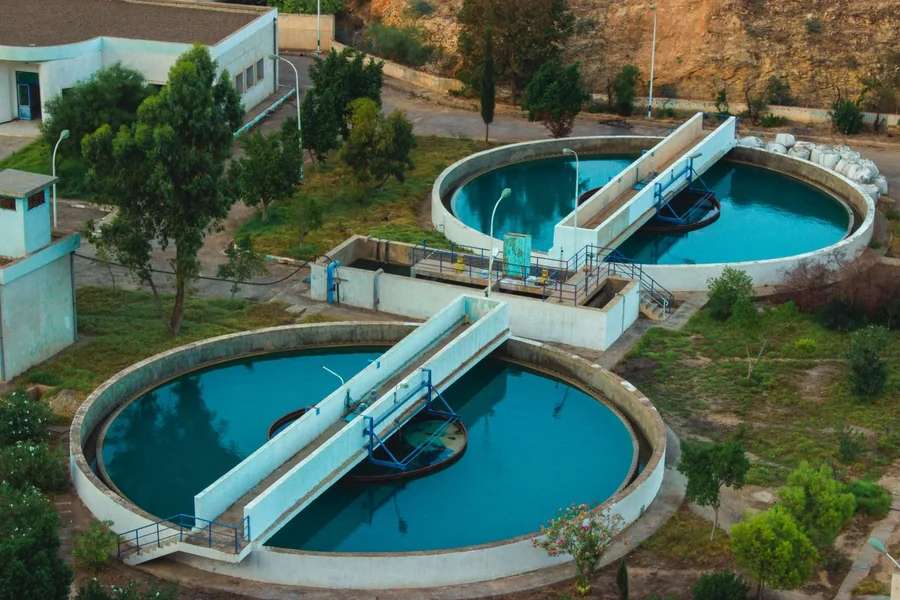
Water systems in commercial buildings are more complex than most people assume, involving storage tanks, distribution lines, and in many cases treatment equipment that keeps water quality consistent.
Scale buildup and biofilm inside these systems can reduce efficiency and shorten the lifespan of equipment. Specialty chemical companies and water treatment product suppliers, such as Blue Earth Products, offer cleaning and maintenance solutions designed for this kind of infrastructure, rather than general janitorial or facilities firms.
Because these products often need to meet specific safety certifications for potable water systems, sourcing them typically means working directly with a water treatment specialist or an industrial cleaning supplier with relevant experience.
Building Envelope and Insulation Services
The building envelope refers to everything that separates the interior from the outside, including walls, roofing, windows, and insulation. Gaps or weak points in this barrier force heating and cooling systems to work harder to maintain a stable indoor temperature.
Insulation contractors and building envelope specialists assess these weak points and recommend repairs or upgrades based on the specific structure. This is a service where the value often isn’t obvious until an energy assessment or a noticeable temperature inconsistency prompts a closer look.
Plumbing Fixture Efficiency Services
Fixtures like faucets, toilets, showerheads, and aerators account for a steady portion of water use in commercial buildings, especially ones with high foot traffic. Replacing older fixtures with more efficient models is a straightforward way to reduce water consumption without changing how occupants use the space. Licensed plumbing contractors handle fixture replacement, and some water utilities offer rebate programs for buildings that switch to approved efficient models.
Two common starting points are restrooms and kitchen or breakroom areas, since both tend to see frequent daily use.
Boiler and Water Heater Maintenance
Boilers and water heaters see near-constant use in many commercial buildings, especially properties with high hot water demand like hotels, restaurants, healthcare facilities, or multifamily housing.
Sediment buildup and worn components reduce efficiency over time, meaning the equipment uses more energy to produce the same output. Mechanical contractors who specialize in boiler and water heater systems typically handle this kind of maintenance rather than general HVAC technicians. Regular attention extends their working life, and replacement is costly enough that this tends to matter to most owners.
Cooling Tower Treatment and Maintenance
Cooling towers are common in larger commercial properties. Their water systems need consistent treatment to prevent scale, corrosion, microbial growth, and biofilm buildup, and left unaddressed, these issues reduce cooling efficiency and can affect both equipment performance and air quality.
Industrial water treatment companies, similar to those handling potable water infrastructure, often provide the chemical treatment and monitoring these towers require. Legionella control is a particular concern here, which is part of why ongoing treatment rather than occasional attention is the norm.
Building Automation and Energy Monitoring
Building automation systems allow property managers to monitor and adjust HVAC and lighting systems, along with other connected equipment, from a centralized platform.
These systems make it easier to spot unusual energy use patterns, like equipment running outside of normal hours. Automation and controls companies install and configure these platforms, and many also offer ongoing monitoring as part of their service. Data from these systems often becomes the basis for later decisions about where other upgrades or repairs might be worth pursuing.
Compressed Air System Servicing
Compressed air systems are common in manufacturing and industrial buildings, and leaks in these systems are a frequent source of wasted energy. A leak that seems minor can add up across an entire system, especially in older buildings with extensive piping. Industrial equipment service companies handle compressed air system audits and repairs, often using specialized detection equipment to locate leaks that aren’t otherwise noticeable.
Air compressor manufacturers themselves also sometimes offer maintenance contracts for equipment they originally supplied.
Waste and Recycling Management Services
While not always grouped with utility costs, waste management services affect a building’s overall operating budget and increasingly its water and energy use as well, particularly in facilities that process organic waste or wastewater on site. Waste haulers and recycling service providers offer contracts tailored to a building’s volume and material types.
Facilities with food service or manufacturing components sometimes require specialized waste handling that general haulers don’t provide. Choosing a provider that fits the building’s actual waste stream, rather than a generic package, tends to matter more than people initially expect.
Energy Audits and Consulting Services
An energy audit involves a professional assessment of a building’s systems to identify where energy or water is being used inefficiently.
These audits often serve as a starting point for prioritizing which of the services described above are worth pursuing first. Energy consultants and engineering firms that specialize in building performance typically conduct these assessments, and some utility companies offer audits at reduced or no cost to commercial customers.
The findings from an audit tend to carry more weight with building owners than general recommendations, since they’re based on the specific property in question.
Keeping utility costs manageable in a commercial building rarely comes down to one single fix. It’s usually the result of several services working together: water treatment, HVAC maintenance, lighting upgrades, and building automation among them.
Understanding what each service involves and who typically provides it makes it easier for property owners and facility managers to know where to start. Even addressing one or two of these areas can lead to a more efficient building over time.