Caring for a Fine Watch: Servicing, Storage and Everyday Wear

A fine watch is designed to last for generations. Many of the timepieces that collectors prize today were made decades ago and are still running beautifully, thanks to good engineering and consistent care. Yet even the most robust watch benefits from attention. A few habits, combined with professional servicing at the right intervals, keep a watch accurate, beautiful and valuable for a lifetime.
Here is how to look after a luxury timepiece.
Understanding What Is Inside
A mechanical watch movement contains many tiny components that move constantly. Over time, the oils that lubricate these components break down, and parts experience wear. Dust or moisture can enter if seals deteriorate. Regular servicing addresses these issues before they cause damage.
Quartz watches have fewer moving parts but still need battery changes, seal replacement and occasional servicing.
Servicing Intervals
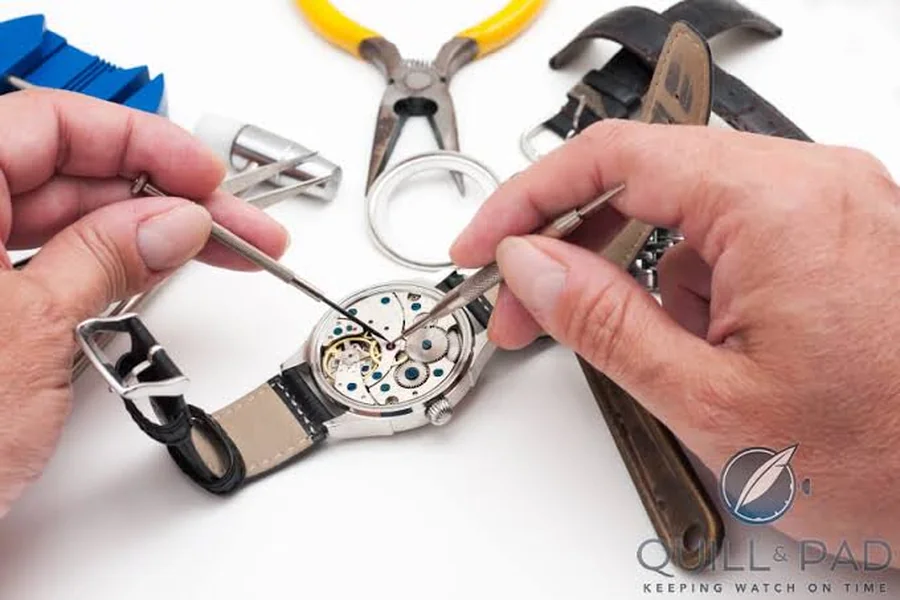
Manufacturers recommend service intervals that vary by brand and model, commonly ranging from around five to ten years for modern mechanical watches. A full service typically involves disassembling the movement, cleaning each component, replacing worn parts, lubricating, reassembling, regulating and testing. Cases and bracelets may be cleaned and refinished, and water resistance is tested.
Signs a watch may need attention sooner include losing or gaining significant time, stopping unexpectedly, moisture under the crystal or difficulty winding or setting.
Water Resistance
Water resistance ratings indicate how much pressure a watch can withstand, but they are often misunderstood. A rating does not guarantee the watch is safe for all water activities. Seals deteriorate over time, so water resistance should be tested regularly, ideally annually for watches used in water.
Always ensure screw-down crowns are fully secured before water exposure. Avoid operating crowns or pushers underwater unless the watch is designed for it. Rinse watches with fresh water after swimming in salt water or chlorinated pools.
Magnetism
Exposure to magnetic fields from phones, speakers, laptops, tablets and bag clasps can magnetise watch movements, causing them to run fast or erratically. Some modern watches incorporate anti-magnetic materials, but it is still wise to keep watches away from strong magnets. Watchmakers can demagnetise watches quickly if needed.
Everyday Care
Wipe your watch regularly with a soft cloth to remove sweat, oils and dirt. In the Australian summer, sweat and sunscreen can build up between bracelet links surprisingly quickly. Metal bracelets can be cleaned gently with warm soapy water and a soft brush, provided the watch is water resistant. Leather straps should be kept away from water and allowed to air out after wear.
Avoid wearing watches during activities that risk heavy impacts, such as certain sports or manual work, unless the watch is designed for it.
Winding and Wearing
Automatic watches wind through wrist movement. If not worn for a day or two, they may stop and need resetting. Manual-wind watches should be wound regularly, ideally at the same time each day. Avoid overwinding by stopping when resistance is felt.
Watch winders can keep automatic watches running when not worn, though opinions vary on whether they are necessary.
Storage
Store watches in a clean, dry place away from extreme temperatures and humidity. Watch boxes with individual compartments prevent scratching. For long-term storage, consider a safe that offers protection against theft and fire.
Insurance and Records
Insure valuable watches and keep records of purchase, servicing and any repairs. Photographs and serial numbers help in case of loss or theft. Service records also support resale value.
Buying With Care in Mind
For those planning to buy Rolex timepieces, it helps to understand the brand’s servicing recommendations and warranty terms at the time of purchase. Reputable retailers can explain these details, provide documentation and recommend authorised servicing options so the watch stays in excellent condition for decades.
Choosing a Watchmaker
Servicing should be carried out by qualified watchmakers with experience working on your brand. Manufacturer service centres and authorised independent watchmakers have access to original parts and specialised tools. Ask about warranties on service work, expected turnaround times and whether the watch will be sent away for servicing or handled locally.
Travelling With a Watch
When travelling, carry your watch in hand luggage rather than checked bags, or wear it. A compact travel case protects it from knocks in a bag. In hotels, use the room safe when the watch is not on your wrist, and be mindful of wearing very valuable pieces in crowded tourist areas where theft is common.
Polishing Considerations
Polishing can remove scratches and restore shine, but it also removes metal, softening sharp edges and changing the watch’s original lines. Collectors of vintage watches often prefer minimal or no polishing to preserve originality. Discuss preferences with your watchmaker before servicing.
Enjoying Your Watch
Care should not mean anxiety. Watches are made to be worn and enjoyed. A few scratches tell the story of a life lived. With sensible habits and regular servicing, a fine watch will continue to keep time beautifully, accumulating memories along the way.


