Common Reasons Businesses Experience Commercial Large Loss Restoration

Commercial properties face serious damage from unexpected fires, plumbing failures, severe weather, and other major incidents. These events disrupt daily operations and affect the safety of employees and customers. Recovering from significant property damage often involves more than basic repairs, as structural issues and damaged building systems may require specialized attention. Understanding the common causes of major property damage helps business owners recognize potential risks and prepare for commercial large loss restoration when their facilities need extensive repairs and recovery support.
Severe Water Damage From Plumbing Failures
A burst pipe or failed sprinkler system release enough water to damage large sections of a commercial building. As water spreads through walls and ceilings, it may affect areas far from the original leak. Moisture trapped inside building materials also increases the risk of mold growth and structural deterioration. For this reason, large loss restoration often begins with water extraction and moisture inspections to determine the full extent of the damage. Thorough drying and necessary repairs then help protect the building from further problems.
Extensive Damage From Commercial Fires
While water damage often develops through leaks or plumbing failures, commercial fires can cause several types of damage at once. Flames may destroy building materials and equipment, while smoke and soot spread into nearby rooms and ventilation systems. Water used to extinguish the fire also soak building materials, adding moisture damage to the restoration work.
Restoration teams must assess structural safety and identify which surfaces and materials need specialized cleaning, repair, or replacement. Damaged electrical systems and lingering smoke odors may also require attention before the building is safe to occupy again. Companies like Disaster Recovery Pros provide the professional support needed to coordinate these complex restoration projects. Their work may involve debris removal, smoke and soot cleanup, water extraction, and structural repairs, followed by drying and reconstruction to prepare the property for safe reoccupancy.
Severe Storms and Natural Disasters
Severe storms and natural disasters also cause widespread damage that requires extensive commercial restoration. Strong winds may tear off roofing materials and damage exterior walls, while heavy rainfall lead to flooding inside offices and other commercial facilities. These conditions often leave building materials saturated and compromise structural components that require professional assessment before repairs begin.
Restoration projects address the damage caused by these events, starting with debris removal and temporary protection for exposed areas. Teams then dry affected spaces and determine which components require repairs or replacement. The extent of the damage guides the restoration plan, helping ensure the property receives the necessary structural repairs and reconstruction before normal business operations resume.
Widespread Mold Growth and Moisture Problems
Even after the immediate effects of a storm or plumbing failure have been addressed, lingering moisture may create another challenge. Mold also develop behind walls and in other concealed spaces when affected materials do not dry properly. Simply removing visible mold will not resolve the problem if the source of moisture remains. Restoration professionals inspect the affected areas, determine which materials need cleaning or removal, as well as address the underlying moisture issue. This process helps restore the property and reduce the likelihood of recurring mold growth.
Structural Damage and Equipment Failures
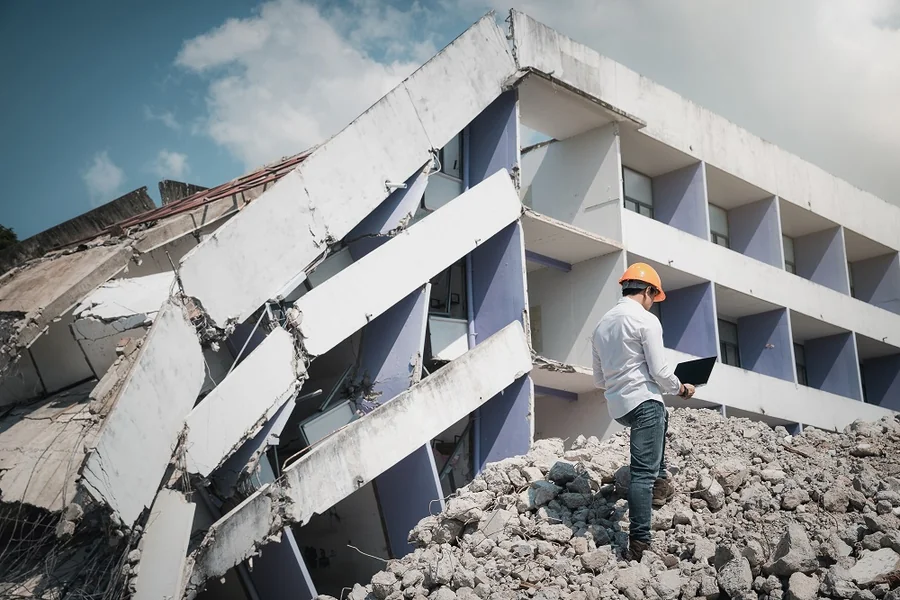
In some cases, commercial restoration becomes necessary because the building itself or its essential equipment has sustained significant damage. A compromised roof or damaged support structure may create safety concerns, while industrial equipment failures affect surrounding work areas. Before repairs begin, qualified professionals assess the property to identify hazards and establish the scope of work.
Depending on the findings, restoration may involve structural reinforcement and specialized repairs. Addressing these issues in the correct order helps support a safer and more organized recovery.
Supporting the Recovery of Your Commercial Property
Although the causes of commercial property damage vary, each major incident requires a clear plan for assessing the loss and restoring affected areas. Hidden moisture and secondary damage may complicate recovery when they go unnoticed. Regular property maintenance and emergency planning help businesses prepare, while a prompt response supports more effective restoration after an incident. With a thorough assessment and coordinated repairs, business owners work toward returning their properties to safe, functional condition.