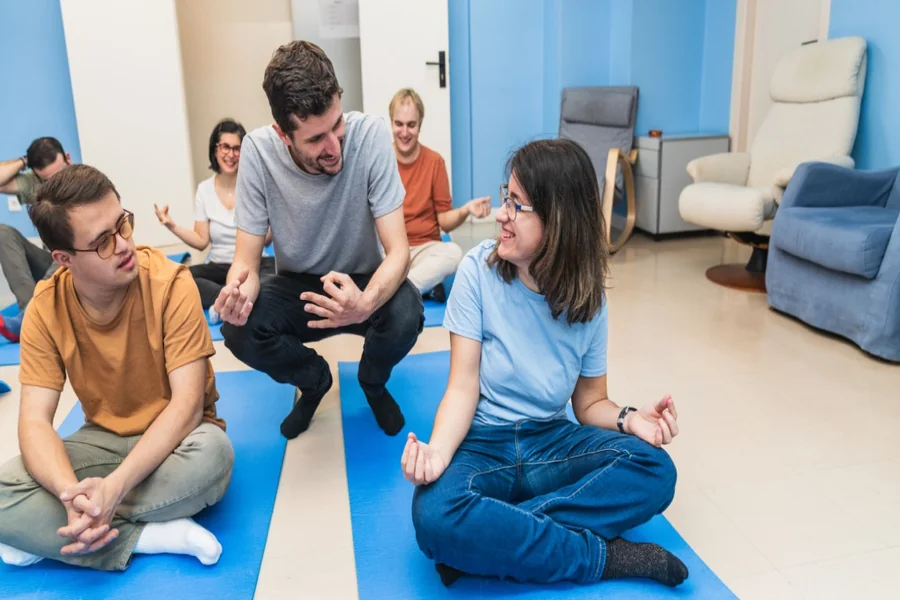
Holistic Healing: Combining Mind, Body, and Spirit in Rehab

Rehabilitation is often seen as a process focused solely on physical recovery or overcoming addiction. However, modern rehab programs are increasingly recognizing that true healing involves much more than the body. Holistic healing, which integrates mind, body, and spirit, is becoming a cornerstone of effective rehabilitation, offering individuals a path toward lasting recovery and personal transformation.
Understanding Holistic Healing
Holistic healing is based on the principle that every aspect of a person—mental, physical, and spiritual—affects overall well-being. In rehab, this approach recognizes that treating just one dimension, such as detoxifying the body, may not be enough for lasting change. Emotional resilience, mental clarity, and spiritual balance are equally critical components in overcoming challenges like addiction, trauma, or chronic illness.
By addressing all facets of an individual’s life, holistic rehab programs aim to create balance and harmony. This often involves a combination of therapies tailored to each person’s needs, ensuring that no part of the healing process is neglected.
Mind: Mental and Emotional Recovery
The mind is central to holistic healing. Mental health issues such as anxiety, depression, or unresolved trauma often coexist with addiction or other physical ailments. In rehab, mental and emotional recovery may include cognitive behavioral therapy (CBT), mindfulness practices, stress management, and counseling sessions. These therapies help individuals understand the root causes of their struggles and develop coping strategies for long-term resilience.
Incorporating mindfulness techniques such as meditation or journaling can foster greater self-awareness, helping individuals recognize destructive patterns and replace them with positive habits. Mental and emotional healing also encourages the development of self-compassion, which is essential for maintaining progress beyond rehab.
Body: Physical Restoration and Wellness
Physical health is often the most visible aspect of recovery, but holistic rehab goes beyond mere detoxification or medical treatment. Exercise, nutrition, and alternative therapies play a crucial role in restoring the body. Structured fitness programs, yoga, and movement therapies not only improve physical fitness but also release endorphins, which enhance mood and reduce stress.
Nutrition counselling ensures that the body receives the right nutrients to support healing and cognitive function. Some holistic programs may also integrate acupuncture, massage therapy, or hydrotherapy, which can alleviate physical tension, promote relaxation, and support overall wellness.
A well-cared-for body provides a foundation for mental clarity and spiritual growth, reinforcing the interconnected nature of holistic healing.
Spirit: Nurturing Purpose and Connection
Healing the spirit involves fostering a sense of purpose, meaning, and connectedness. Spiritual wellness does not necessarily imply religion; rather, it focuses on cultivating inner peace, resilience, and values-driven living. Practices such as meditation, guided reflection, or group support sessions help individuals reconnect with themselves and the world around them.
Spiritual healing also encourages individuals to explore personal goals, set intentions, and develop a sense of belonging within a community. Programs that incorporate spiritual wellness often report higher rates of long-term recovery, as individuals are more likely to maintain motivation and resilience when they feel a sense of purpose.
Integration in Rehab Programs
The most effective rehab programs combine all three elements—mind, body, and spirit—into a comprehensive treatment plan. This integrated approach acknowledges that each person’s journey is unique, and no single therapy is sufficient on its own. By addressing mental, physical, and spiritual needs simultaneously, holistic rehab creates a supportive environment where individuals can heal fully and sustainably. Facilities like Alpine Recovery Lodge exemplify this approach, offering tailored programs that integrate medical care, therapy, fitness, and mindfulness to support complete recovery.
The Benefits of Holistic Healing
Holistic healing offers several advantages over conventional rehab methods. Individuals often experience:
- Improved mental clarity and emotional resilience, reducing the likelihood of relapse.
- Enhanced physical health, supporting energy levels, and overall wellbeing.
- Stronger sense of purpose and spiritual connection, fostering long-term motivation.
- Greater self-awareness helps patients make informed choices and develop healthy habits.
By treating the whole person rather than just the symptoms, holistic rehab programs empower individuals to reclaim their lives and embrace a future defined by balance, health, and personal growth.
Conclusion
Rehab is no longer just about physical recovery or quitting harmful habits; it is about transforming the whole person. Holistic healing—addressing mind, body, and spirit—offers a more comprehensive and effective path to recovery. By integrating therapies that support mental health, physical wellness, and spiritual growth, individuals can achieve lasting change and rediscover a sense of balance and purpose. Programs like Alpine Recovery Lodge exemplify how this approach can transform lives, proving that true healing comes from nurturing every aspect of who we are.