Home Renovation: Transforming Spaces, Increasing Value, and Improving Everyday Living

Home renovation has become more than a response to aging structures or outdated interiors—it’s now a strategic investment in both property value and quality of life. Whether driven by the need for improved functionality, aesthetic preferences, or the desire to boost resale potential, homeowners are increasingly approaching renovation as a thoughtful, phased process. Understanding the key considerations, trends, and best practices can help anyone begin a renovation journey with confidence and clarity.
Why Home Renovation Matters
A home is often one of the biggest investments a person makes, and renovations allow homeowners to protect and enhance that investment. Renovation can extend the life of a property, resolve long-standing structural or utility issues, and adapt living spaces to changing family needs. Even small improvements—like upgrading lighting or refinishing cabinetry—can have a significant impact on day-to-day comfort.
Financially, renovation can pay off in increased property value. Projects such as kitchen remodels, bathroom updates, and energy-efficient upgrades consistently rank high for return on investment. While not every renovation yields equal monetary benefit, improvements that enhance functionality and modernize key areas often attract future buyers and justify higher listing prices.
Planning: The Foundation of a Successful Renovation
Before the first wall is opened or the first tile is ordered, planning is the most important step. Successful renovations begin with a clear vision of what needs to be improved and why.
- Define Your Goals
2. Establish a Realistic Budget
3. Research Professionals and Permits
4. Understand the Timeline
Clear planning reduces surprises—financial, structural, or emotional—and helps ensure that the final outcome matches your expectations.
Choosing the Right Projects: High-Impact Renovation Ideas
Not all projects are created equal. Here are some of the most effective and popular renovation choices today:
1. Kitchen Transformations
Often considered the heart of the home, the kitchen is a major focal point during resale. Modern homeowners favor open layouts, durable yet stylish surfaces, and energy-efficient appliances. Simple upgrades—like replacing hardware, adding a tile backsplash, or installing under-cabinet lighting—can refresh the space without requiring a full remodel.
Larger renovations may involve reconfiguring layouts to improve flow, adding functional islands, or upgrading cabinetry for better storage. A well-designed kitchen balances beauty with practicality.
2. Modernizing Bathrooms
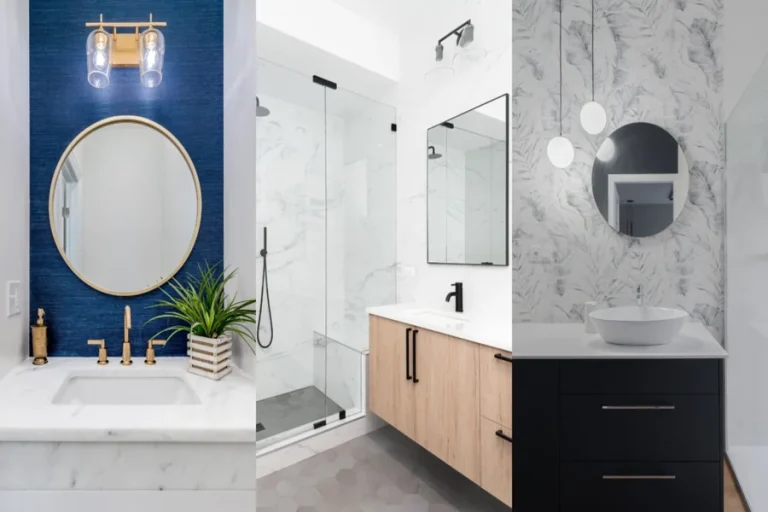
Bathroom renovations can significantly improve daily routines. Popular trends include natural stone or porcelain tile, frameless glass showers, wall-mounted vanities, and smart features like motion-sense lighting or heated flooring. Accessibility-minded improvements, such as curbless showers and grab bars with modern designs, appeal to both current and future homeowners.
3. Expanding Living Space
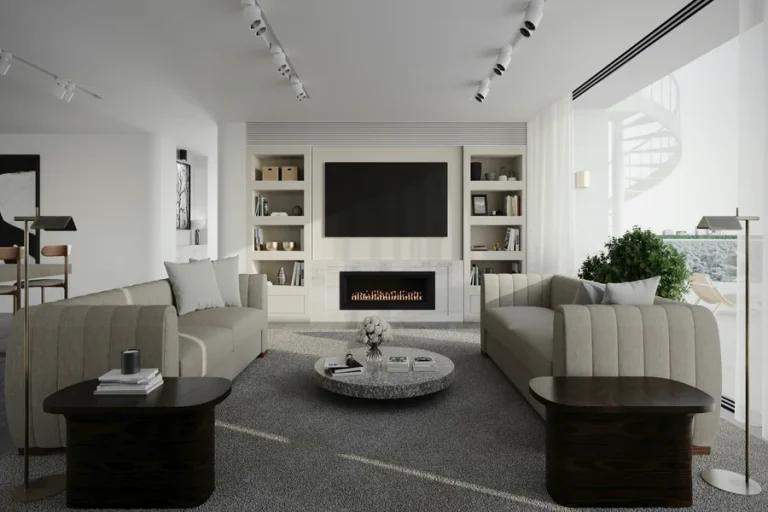
Open-concept floor plans, finished basements, and attic conversions can add usable square footage without moving to a new home. These renovations create versatile spaces that can serve as home offices, playrooms, guest suites, or entertainment areas—especially valuable for families with evolving needs.
4. Energy-Efficient Upgrades
With rising energy costs, sustainability is increasingly important. Improvements like upgraded insulation, double- or triple-pane windows, high-efficiency HVAC systems, and LED lighting can reduce utility bills and improve comfort. For homeowners addressing roof insulation or ventilation, consulting an experienced roof plumber can ensure that upgrades are installed correctly and provide long-term performance. Solar panels, though an investment, can significantly increase long-term savings and appeal to eco-conscious buyers.
5. Exterior Enhancements
Curb appeal plays a large role in a home’s value. Exterior renovations might include new siding, fresh paint, updated roofing, improved landscaping, or a modern front door. Outdoor living spaces—like decks, pergolas, and patios—extend the livable footprint of the home and create inviting environments for relaxation and gatherings.
Avoiding Common Pitfalls
Many homeowners enter renovation projects with excitement, only to encounter challenges that lead to stress or overspending. Here are some common mistakes to avoid:
- Skipping professional help in favor of DIY when structural, electrical, or plumbing work is involved.
- Underestimating total costs, including materials, labor, and unexpected findings.
- Using cheap materials in areas of high wear and tear, leading to faster deterioration.
- Not planning for disruption, especially during kitchen or bathroom renovations.
- Ignoring resale value, choosing overly personalized finishes that may not appeal to buyers.
Awareness of these pitfalls allows homeowners to approach renovation with realistic expectations and better decision-making.
Trends Shaping Home Renovation Today
Renovation styles evolve with lifestyle shifts, technology advancements, and design movements. Several current trends stand out:
- Multifunctional Rooms: Spaces designed for hybrid use—home office by day, entertainment room by night.
- Natural Materials: Stone, wood, clay, and organic textures are seeing a resurgence.
- Smart Home Integration: Voice-activated lighting, app-controlled thermostats, and smart security systems enhance convenience and efficiency.
- Warm, Earthy Color Palettes: Rich neutrals and nature-inspired tones replace stark whites and greys.
- Minimalist Storage Solutions: Hidden cabinets, built-in organizers, and clutter-reducing layouts are increasingly popular.
These trends prioritize comfort, simplicity, and function, aligning with homeowners’ desire for spaces that feel both stylish and livable.
The Emotional Impact of Renovation
Beyond financial gains, renovation deeply affects how people feel in their homes. A well-designed home can support mental well-being through improved natural light, better organization, calming color palettes, and layouts that encourage connection. Renovation can rekindle a sense of pride and satisfaction in one’s living environment—benefits often valued just as much as increased equity.
Conclusion
Home renovation is a transformative process that blends creativity, practicality, and investment strategy. Whether updating a single room or reinventing an entire property, the impact can be profound. With thoughtful planning, clear goals, and smart project choices, homeowners can create spaces that better serve their lives today while building value for tomorrow.