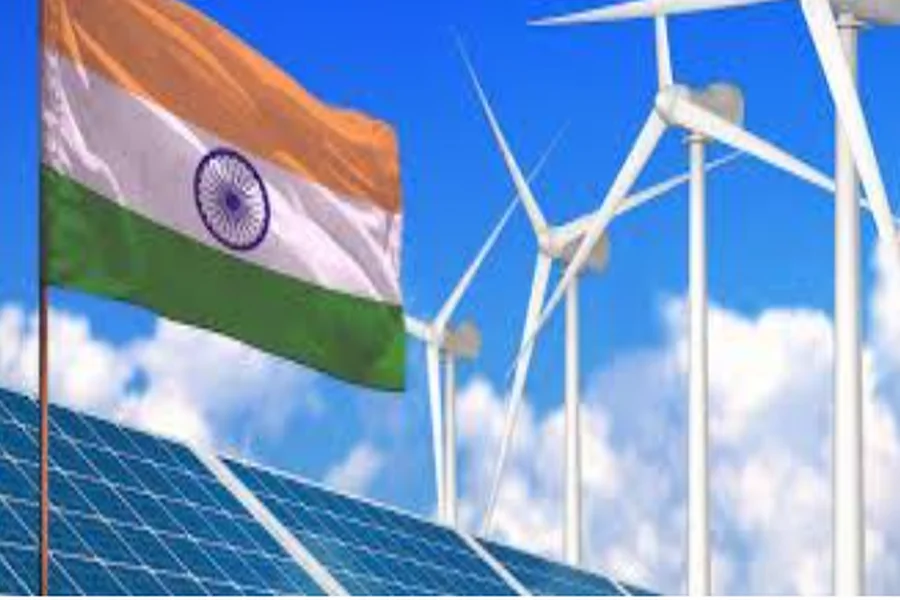
Indian Renewable Energy Sector: Market Size, Growth and Trends\

India is rapidly emerging as a global leader in clean energy, with significant investments and policy support driving the transition toward sustainability. The growth of Indian renewable energy reflects the country’s commitment to reducing carbon emissions and ensuring energy security. With abundant natural resources and a strong push for green development, the sector is becoming a key pillar of India’s economic and environmental strategy.
Market Size and Expansion
The Indian renewable energy sector has witnessed remarkable expansion over the past decade. Installed capacity across solar, wind, hydro, and biomass energy has increased significantly, positioning India among the top renewable energy producers globally.
Government targets for renewable capacity addition have further accelerated growth, encouraging both domestic and international investments. This expansion highlights the sector’s growing importance in meeting the country’s energy demands.
Key Growth Drivers
Several factors are contributing to the rapid growth of Indian renewable energy. Policy support, technological advancements, and declining costs of renewable technologies are among the primary drivers.
The increasing electricity demand, coupled with the need to reduce dependence on fossil fuels, has also fueled the adoption of renewable energy sources. These drivers are creating a strong foundation for sustained growth in the sector.
Role of Government Policies and Initiatives
Government initiatives have played a crucial role in promoting Indian renewable energy. Policies aimed at encouraging clean energy adoption, such as renewable purchase obligations and financial incentives, have attracted significant investment.
Large-scale programs focused on solar and wind energy development have further strengthened the sector. These initiatives are helping India move toward its long-term sustainability goals.
Technological Advancements and Innovation
Technology is a key enabler of growth in the renewable energy sector. Innovations in solar panels, wind turbines, and energy storage systems have improved efficiency and reduced costs.
The adoption of advanced technologies is enhancing the reliability and scalability of Indian renewable energy projects. This progress is making renewable energy more competitive with traditional energy sources.
Investment and Economic Impact
The renewable energy sector has become a major destination for investment, attracting both public and private capital. Large-scale projects and infrastructure development are generating employment opportunities and supporting economic growth.
The expansion of Indian renewable energy also contributes to the development of related industries, including manufacturing, engineering, and services.
Emerging Trends in the Sector
The Indian renewable energy sector is witnessing several emerging trends that are shaping its future. The increasing adoption of solar energy, growth in wind power capacity, and development of hybrid energy projects are some of the key trends.
There is also a growing focus on energy storage solutions and green hydrogen, which are expected to play a significant role in the next phase of growth.
Challenges and Opportunities
While the sector offers significant opportunities, it also faces challenges such as land acquisition issues, grid integration, and financing constraints. Addressing these challenges is essential for sustaining growth.
At the same time, the global shift toward clean energy presents new opportunities for Indian renewable energy to expand its reach and influence. Continued investment and innovation will be key to overcoming these challenges.
Conclusion
The growth of Indian renewable energy marks a significant step toward a sustainable and energy-secure future. With strong policy support, technological advancements, and increasing investments, the sector is poised for continued expansion.
As India accelerates its transition to clean energy, the renewable energy sector will play a central role in driving economic growth and achieving environmental goals.