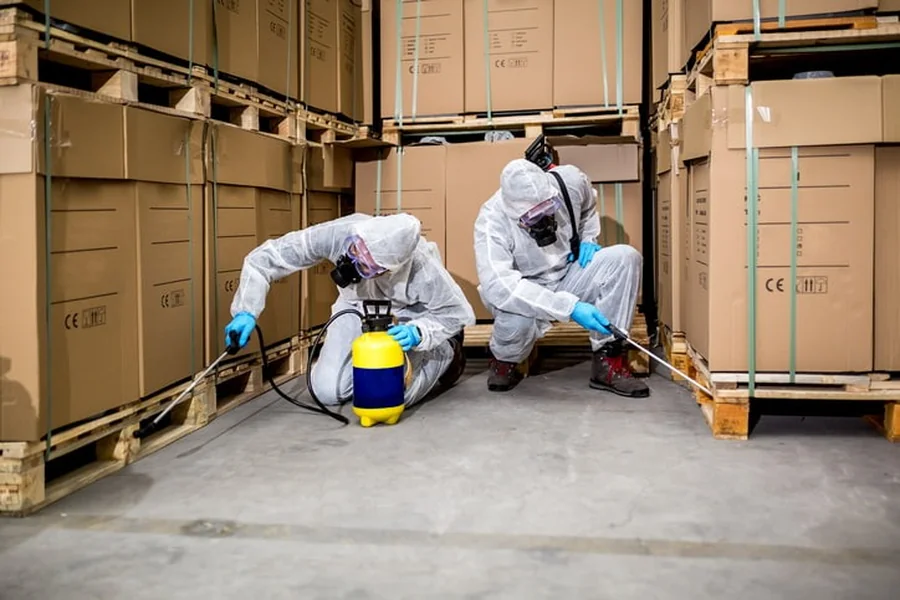
The Critical Need for Commercial Pest Control

Maintaining a safe, hygienic, and professional establishment is essential not only for reputation but also for operational efficiency. One of the often-overlooked aspects of business maintenance is pest control. Commercial pest control is no longer just a matter of comfort—it is a necessity for the health, safety, and profitability of any business. From restaurants and hotels to warehouses and offices, pests can pose serious challenges that require proactive, professional management.
Health and Safety Concerns
The primary reason commercial pest control is crucial is health. Pests such as rodents, cockroaches, and flies are known carriers of harmful pathogens. Rodents can spread hantavirus, salmonella, and leptospirosis through their droppings, urine, or bites. Cockroaches are infamous for triggering asthma and allergic reactions, especially in sensitive populations. Even smaller pests, like ants or flies, can contaminate food and surfaces, leading to potential outbreaks of foodborne illnesses.
For businesses in the food industry, these risks are especially pronounced. Health inspectors regularly check for signs of infestation, and a single report of rodents or cockroaches can lead to fines, temporary closure, or permanent damage to a restaurant’s reputation. Even businesses outside the food sector are not immune. Offices, warehouses, and retail stores face similar risks if pests compromise clean environments, contaminate stock, or damage critical infrastructure.
Financial Implications
Ignoring pest control can result in significant financial losses. Pests can damage property, destroy inventory, and disrupt operations. Rodents, for example, are notorious for chewing through wiring, insulation, and packaging. Termites can compromise wooden structures, weakening buildings over time. In a warehouse or retail setting, even minor infestations can destroy stock or packaging, leading to direct financial losses.
Moreover, legal and regulatory costs associated with pest-related violations can be severe. Businesses found negligent in maintaining sanitary and safe premises may face lawsuits, fines, or costly remediation efforts. For many companies, the reputational damage from negative publicity—such as a viral social media post showing pests in their establishment—can far exceed immediate financial losses. Preventative commercial pest control, therefore, is not just an operational expense; it’s an investment in long-term financial security.
Regulatory Compliance
Commercial establishments are bound by strict health and safety regulations, and pest control plays a significant role in compliance. Restaurants, cafes, hotels, and food processing plants are subject to rigorous inspections to ensure they meet hygiene standards. Even minor infestations can result in violations that jeopardize business licenses.
For example, the U.S. Food and Drug Administration (FDA) mandates that food facilities maintain sanitary conditions that prevent pest access, contamination, and infestation. Similarly, local health departments enforce codes that require pest management protocols for all commercial properties. By implementing professional pest control measures, businesses not only reduce the risk of fines and closures but also demonstrate a commitment to legal compliance and ethical standards.
Enhancing Customer Confidence and Reputation
Customer perception is critical for any business. A single sighting of pests by a customer can irreversibly harm a company’s reputation. In the age of online reviews and social media, negative experiences spread quickly, affecting not just immediate sales but long-term brand loyalty.
Professional pest control programs provide businesses with peace of mind and a competitive edge. By proactively managing potential infestations, companies ensure that customers, clients, and employees feel safe and valued. This commitment to cleanliness and professionalism fosters trust and encourages repeat business, which is particularly vital for service-based industries like hospitality and retail.
Protecting Employees and Operations
Commercial pest control is not only about safeguarding customers; it is also essential for protecting employees. Pests can create unsafe work environments. Rodents may gnaw on electrical wiring, increasing fire risk. Wasps or bees can sting, causing allergic reactions. Infestations of bedbugs or fleas can disrupt staff productivity and morale, leading to increased absenteeism or employee turnover.
A professional pest management strategy helps prevent such hazards, ensuring that workplaces remain safe, healthy, and conducive to productivity. Moreover, regular pest inspections can detect early warning signs before an infestation escalates, allowing businesses to address problems efficiently and avoid costly operational disruptions.
Tailored Solutions for Diverse Commercial Environments
Commercial pest control is not one-size-fits-all. Different industries face unique challenges that require specialized approaches. Restaurants need frequent inspection and control measures for rodents and insects that can access kitchens and food storage areas. Hotels must protect guest rooms from bedbugs and other nuisances. Warehouses and manufacturing plants require structural inspections to prevent termite damage and rodent intrusion.
Professional pest control companies offer tailored solutions based on the type of business, the layout of the property, and local pest prevalence. They combine preventive measures, regular inspections, and targeted treatments to ensure comprehensive protection. This approach not only addresses current infestations but also minimizes future risks, creating a proactive rather than reactive strategy.
Sustainable and Safe Practices
Modern commercial pest control emphasizes sustainable and environmentally responsible practices. Integrated Pest Management (IPM) techniques combine monitoring, habitat modification, and selective chemical use to minimize environmental impact while effectively controlling pests. This ensures that businesses comply with environmental regulations while maintaining a safe environment for humans and non-target species.
By choosing professional pest control services that follow these guidelines, companies demonstrate corporate responsibility, contributing to public health and environmental sustainability simultaneously.
Conclusion
In conclusion, commercial pest control is a critical component of modern business management. It safeguards health, ensures regulatory compliance, protects financial interests, enhances customer and employee confidence, and maintains operational efficiency. The cost of neglecting pest control far outweighs the investment required to implement professional, proactive measures.
Businesses that prioritize commercial pest management demonstrate foresight, responsibility, and a commitment to excellence. Whether operating in food service, hospitality, retail, or industrial sectors, effective pest control is no longer optional—it is a business imperative. By partnering with professional pest control services, companies can ensure their premises remain safe, clean, and pest-free, ultimately supporting long-term success and sustainability.