When to See an Orthodontist

Seeing an orthodontist is something many people associate with teenage years and braces, but in reality, orthodontic care can be relevant at many different stages of life. Orthodontists specialize in diagnosing, preventing, and correcting misaligned teeth and jaws, and knowing the right time to visit one can make a significant difference in both oral health and long-term comfort.
Early Signs: When a First Visit Makes Sense
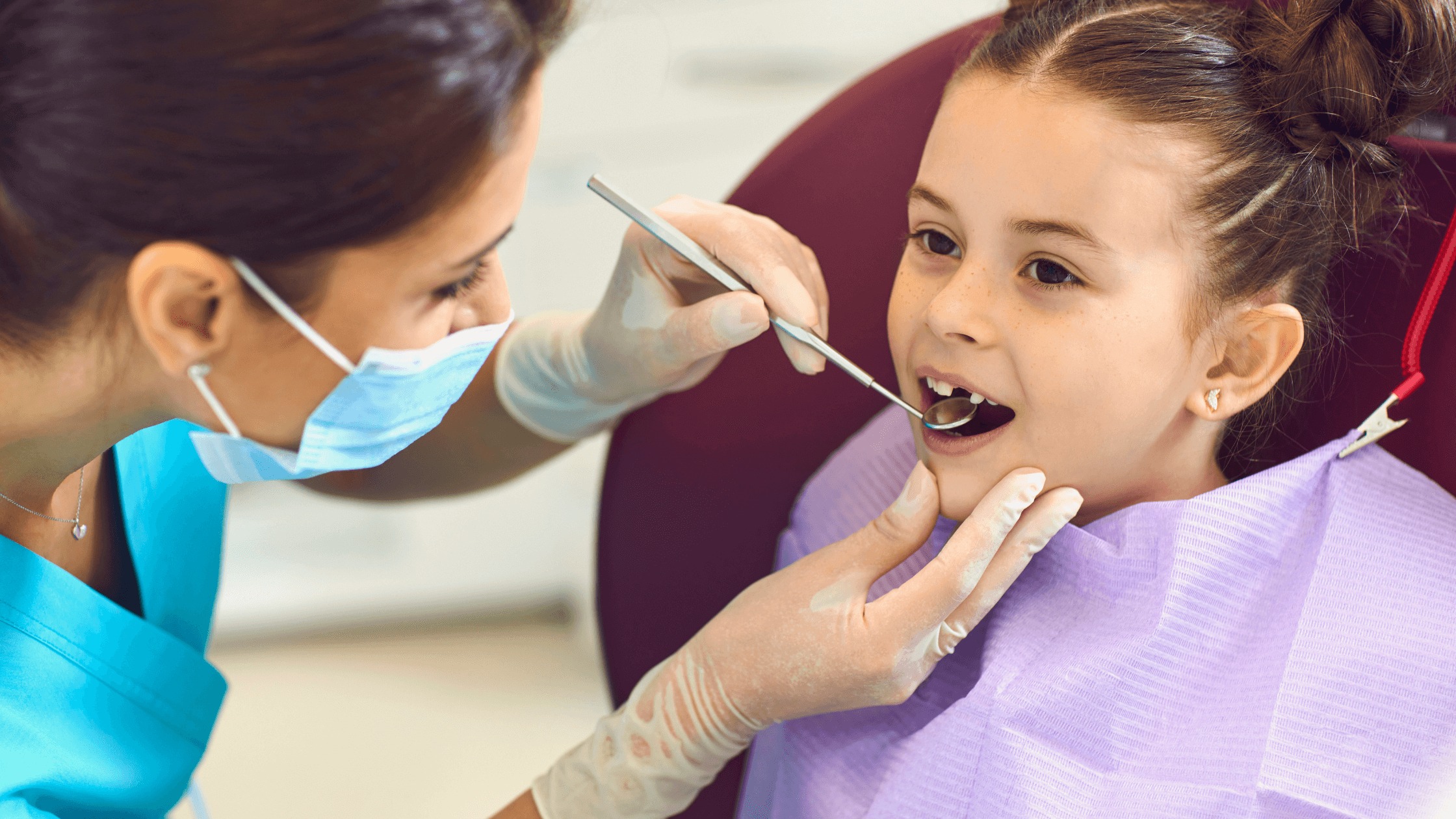
Most orthodontists recommend that children have their first evaluation around the age of 7. At this stage, a mix of baby teeth and permanent teeth makes it possible to identify developing issues early. This doesn’t always mean treatment will start right away, but it allows the orthodontist to monitor growth patterns.
Some early signs that a child should see an orthodontist include difficulty biting or chewing, thumb sucking that continues beyond early childhood, early or late loss of baby teeth, or teeth that appear crowded or spaced too far apart. Even subtle jaw misalignment can be detected early, which can sometimes make future treatment simpler.
Early evaluation is particularly useful because the jaw is still growing. In some cases, orthodontists can guide that growth to reduce the need for more extensive treatment later.
Teen Years: The Most Common Time for Treatment
The teenage years are the most common time for orthodontic treatment to begin. By this point, most or all permanent teeth have come in, making it easier to see how they fit together. This is also when alignment problems become more noticeable, both functionally and cosmetically.
Common reasons teenagers visit an orthodontist include crowded teeth, gaps between teeth, overbites, underbites, crossbites, and general alignment issues. Jaw development is still ongoing during adolescence, which makes it an effective period for correction.
Teens may also experience discomfort such as jaw pain, frequent biting of the cheeks or tongue, or difficulty cleaning between tightly packed teeth. These issues are not just cosmetic; they can increase the risk of cavities and gum problems if left untreated.
Braces, clear aligners, or other orthodontic appliances are often used during this stage. The goal is not only to improve appearance but also to create a healthier bite that functions properly for chewing and speaking.
Adults: It’s Never Too Late
A common misconception is that orthodontic treatment is only for children or teenagers. In reality, a growing number of adults seek orthodontic care. Adults may visit an orthodontist for a variety of reasons, including long-standing alignment issues that were never treated, relapse after previous orthodontic work, or changes in tooth position over time.
Adult orthodontic concerns often include crowding of lower teeth, shifting after tooth loss, or bite discomfort that develops gradually. Some adults also pursue treatment for cosmetic reasons, but functional improvements are equally important.
While adult treatment can take longer due to fully developed bone structure, modern orthodontic options such as clear aligners and less visible braces have made treatment more convenient and discreet than in the past.
Functional Problems That Signal a Visit
Beyond age, certain functional problems are strong indicators that it’s time to see an orthodontist. Difficulty chewing or biting food evenly is a key sign that the upper and lower jaws may not be aligned properly. Frequent jaw clicking, popping, or pain can also indicate bite issues or temporomandibular joint (TMJ) strain.
Speech difficulties can sometimes be linked to tooth or jaw alignment, especially in cases where teeth are severely crowded or spaced. Chronic mouth breathing, especially in children, may also signal underlying structural issues that orthodontists can evaluate.
Another important sign is abnormal wear on teeth. If teeth are wearing down unevenly, it may suggest that the bite is not distributing pressure correctly.
Aesthetic Concerns and Self-Confidence
While orthodontic treatment is primarily about oral health and function, appearance is often a motivating factor. Crooked, crowded, or widely spaced teeth can affect self-confidence at any age. Many people choose to see an orthodontist when they feel self-conscious about their smile or avoid smiling altogether in social situations.
Modern orthodontics offers a wide range of options that are far less noticeable than traditional metal braces, including clear aligners and ceramic braces. These advancements have made treatment more appealing for both teens and adults who are concerned about appearance during the process.
After Dental Evaluation or Referral
Sometimes, the decision to see an orthodontist comes after a general dentist identifies a potential issue during a routine check-up. Dentists often monitor alignment and bite development and may recommend an orthodontic evaluation if they notice crowding, spacing, or bite irregularities.
Even if there are no obvious symptoms, a referral from a dentist is worth following up on. Orthodontists can perform a detailed assessment using X-rays, photographs, and bite analysis to determine whether treatment is necessary or if observation is sufficient.
Why Timing Matters
The timing of orthodontic treatment can influence both its effectiveness and complexity. Early intervention in children may prevent more serious issues from developing, while timely treatment in teens can take advantage of natural growth. For adults, addressing issues sooner rather than later can prevent further wear, discomfort, or shifting.
Delaying treatment does not usually make orthodontic problems disappear; in many cases, they gradually worsen over time. This can lead to more complicated procedures in the future.
Conclusion
Knowing when to see an orthodontist depends less on age alone and more on signs, symptoms, and dental development. While children benefit from early evaluations, teenagers often undergo active treatment, and adults increasingly seek care for both functional and cosmetic reasons. Any signs of bite problems, tooth misalignment, jaw discomfort, or difficulty maintaining oral hygiene are good reasons to schedule a consultation.
Ultimately, orthodontic care is about more than straight teeth—it supports long-term oral health, comfort, and confidence. Getting evaluated at the right time ensures that small issues don’t turn into larger problems later in life.