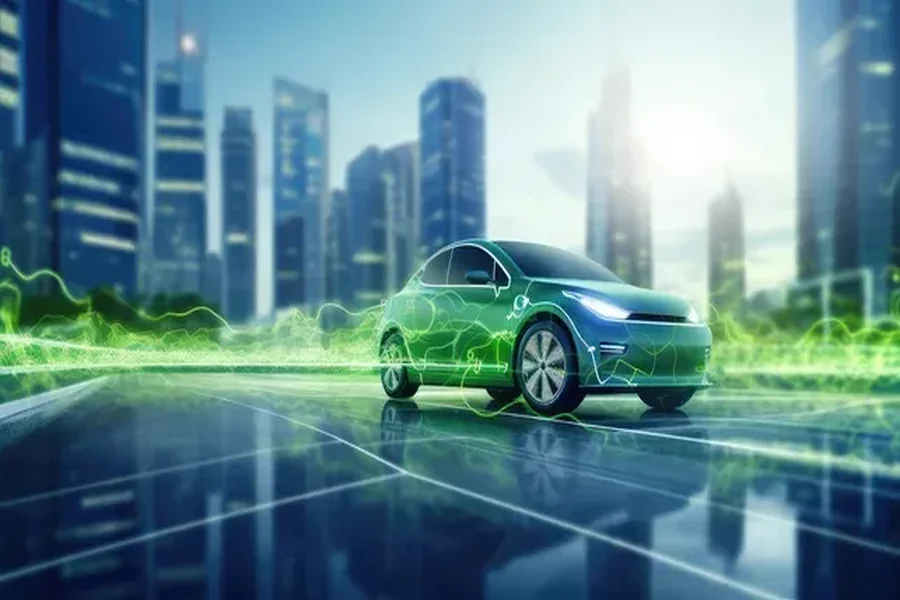
The Rise of Electric Vehicles: Driving Toward a Sustainable Future

Are Electric Vehicles Really the Future of Transportation?
Have you ever wondered how many electric vehicles are on the road today, and what impact they have on our planet? According to the International Energy Agency, global EV sales reached over 10 million in 2023, a nearly 50% increase from the previous year. Could these numbers indicate a genuine shift in consumer behavior, or is it just a trend? With concerns about climate change, rising fuel prices, and urban air quality, electric vehicles (EVs) have become a central solution for sustainable transportation, offering zero tailpipe emissions and increasingly efficient technology.
Technological Advancements Driving the EV Market
The rapid growth of electric vehicles is closely tied to advancements in battery technology. Modern EVs primarily use lithium-ion batteries, which offer a high energy density, longer lifespan, and faster charging capabilities compared to earlier designs. Innovations such as solid-state batteries and improved battery management systems promise even greater efficiency, faster charging times, and longer driving ranges, helping alleviate one of the main concerns among potential buyers: range anxiety.
Electric motors also contribute to the appeal of EVs. Unlike internal combustion engines (ICEs), electric motors provide instant torque, resulting in quicker acceleration and smoother driving experiences. Combined with regenerative braking systems that recover energy during deceleration, these technologies make EVs not only environmentally friendly but also efficient and enjoyable to drive.
Environmental and Economic Benefits
One of the most compelling reasons for the shift toward electric vehicles is their environmental impact. Transportation accounts for a significant portion of global carbon emissions, with conventional gasoline and diesel vehicles contributing to air pollution and climate change. EVs produce zero tailpipe emissions, reducing harmful pollutants such as nitrogen oxides and particulate matter. While the overall environmental footprint depends on the source of electricity used for charging, studies show that even in regions reliant on fossil fuels, EVs generally result in lower emissions over their lifetime compared to traditional vehicles.
Economic incentives also play a critical role in EV adoption. Many governments worldwide offer tax credits, rebates, and subsidies for EV purchases, as well as investments in charging infrastructure. In fact, having a knowledgeable electric vehicle charger electrician install and maintain home and public charging stations ensures safe, efficient, and reliable operation, boosting consumer confidence. In addition, the lower cost of electricity compared to gasoline, along with reduced maintenance requirements due to fewer moving parts, can make EV ownership more economical over time.
Charging Infrastructure and Consumer Adoption
A key factor in the widespread adoption of electric vehicles is the development of robust charging infrastructure. Public charging stations, fast chargers, and home-based charging solutions are becoming increasingly accessible. Companies and governments are investing heavily in charging networks to ensure that drivers can conveniently charge their vehicles during daily commutes or long trips. Wireless charging and ultra-fast charging technologies are also emerging, further reducing the perceived inconvenience of EV ownership.
Consumer adoption has been steadily rising as well. According to recent reports, global EV sales have experienced double-digit growth annually, with Europe, China, and North America leading the market. Automakers are responding by expanding their EV lineups, introducing affordable models, and integrating advanced features such as autonomous driving capabilities and connected car technologies, making electric vehicles more appealing to a broader audience.
Challenges and Future Outlook
Despite the remarkable progress, challenges remain. The environmental impact of battery production, particularly the mining of lithium, cobalt, and nickel, raises concerns about sustainability. Recycling and repurposing batteries are becoming critical areas of research to mitigate these effects. Additionally, the high upfront cost of EVs, although decreasing, remains a barrier for some consumers.
Looking ahead, the future of electric vehicles appears promising. As technology continues to advance, battery costs are expected to fall, driving further adoption. Governments are setting ambitious targets for EV integration, with some countries planning to phase out the sale of new internal combustion engine vehicles entirely within the next two decades. Furthermore, innovations in energy storage, renewable energy integration, and smart grid management could position electric vehicles as a key component of a sustainable energy ecosystem, not just as transportation solutions but as mobile energy assets capable of supporting the grid.
Conclusion
Electric vehicles are no longer a futuristic concept—they are a rapidly growing reality reshaping the automotive industry, the environment, and the global energy landscape. With continuous improvements in technology, expanding infrastructure, and strong policy support, EVs have the potential to drive a cleaner, more efficient, and sustainable future. As consumers, businesses, and governments embrace this shift, the electric revolution on our roads represents not just a change in the way we move, but a meaningful step toward addressing some of the most pressing challenges of our time. The road ahead is electric, and it promises to be both exciting and transformative.